Sodium Hydroxide → HCID 178493213, compound
Reaction equation

Cl[O-:2].[Na+:3].[OH-].[Na+].[CH3:6][O:7][C:8]1[CH:13]=[CH:12][N:11]=[C:10]([CH2:14][S:15][C:16]2[NH:20][C:19]3[CH:21]=[C:22]([O:25][CH:26]([F:28])[F:27])[CH:23]=[CH:24][C:18]=3[N:17]=2)[C:9]=1[O:29][CH3:30]>>[CH3:6][O:7][C:8]1[CH:13]=[CH:12][N:11]=[C:10]([CH2:14][S+:15]([O-:2])[C:16]2[N-:17][C:18]3[CH:24]=[CH:23][C:22]([O:25][CH:26]([F:27])[F:28])=[CH:21][C:19]=3[N:20]=2)[C:9]=1[O:29][CH3:30].[Na+:3]Participants


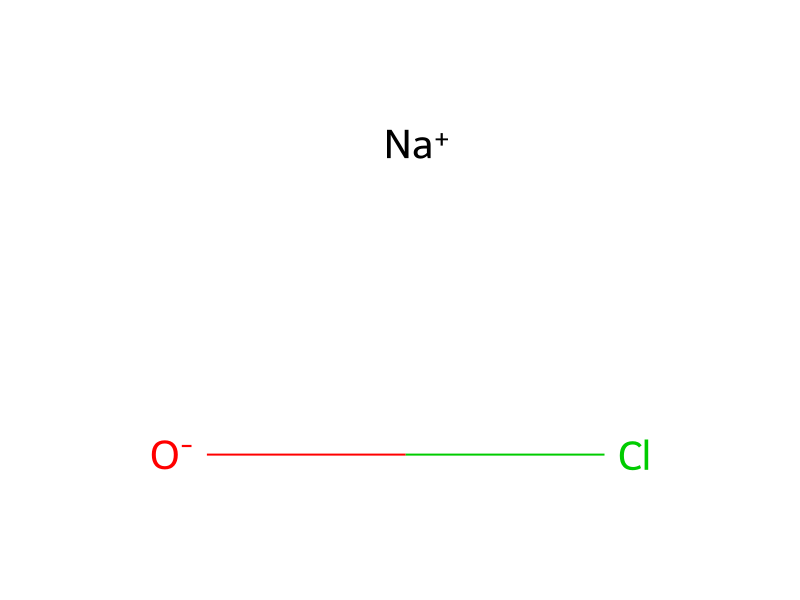

Procedure
The intermediates (V) pantoprazole sulfide and pantoprazole base as shown in the scheme were not isolated during the process of the present invention. In particular, they were not subjected to any purification. Further, the pantoprazole sulfide obtained in situ was oxidized using aqueous sodium hypohalite solution preferably an aqueous solution of sodium hypochlorite with a strength from 2-14%, and having a sodium hydroxide content from 0.5 to 10%, more preferably from 1.0 to 3.0%. We prefer that the sodium hydroxide content is at least 2%. Most preferably, the sodium hydroxide content is from 2.0 to 2.3%. The oxidation of the pantoprazole sulfide is preferably carried out at a temperature ranging from 0° C. to ambient temperature, more preferably 5-8° C. The resulting reaction mass was cooled to afford pantoprazole sodium.
Workup
- customranging from 0° C. to ambient temperature, more preferably 5-8° C
- customThe resulting reaction mass
- temperaturewas cooled
Sources & evidence
- ORD record
- ord-d0d839971b7f49a2bf97ac2a6b6c7a25
- Source dataset
- uspto-grants-2014_04
- Patent number
- US08691995B2
Reaction notes
Loading…