Acetic Acid → HCID 178511579, compound
Reaction equation

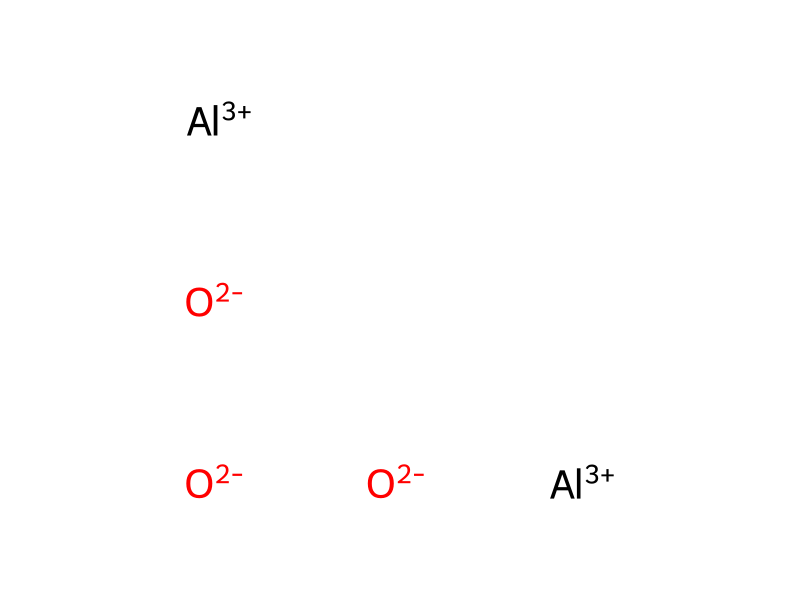
C([N:8](CC1C=CC=CC=1)[C@H:9]1[CH2:14][CH2:13][C@H:12]([N:15]2[CH2:20][CH2:19][N:18]([CH2:21][CH:22]3[CH2:24][CH2:23]3)[CH2:17][CH2:16]2)[CH2:11][CH2:10]1)C1C=CC=CC=1.C(O)(=O)C.[H][H].[O-2].[Al+3].[O-2].[O-2].[Al+3]>CO.[Pd]>[CH:22]1([CH2:21][N:18]2[CH2:19][CH2:20][N:15]([C@H:12]3[CH2:13][CH2:14][C@H:9]([NH2:8])[CH2:10][CH2:11]3)[CH2:16][CH2:17]2)[CH2:23][CH2:24]1Participants
7






Procedure
(trans)-N,N-Dibenzyl-4-[4-(cyclopropylmethyl)piperazin-1-yl]cyclohexanamine 16a (1.41 g, 3.38 mmol) was dissolved in 15 mL of methanol followed by the addition of palladium/carbon (706 mg, 10%) and 0.1 mL of acetic acid, filled with hydrogen three times. The reaction mixture was reacted for 12 hours at 3 atmosphere of hydrogen, added with 3 g alkaline aluminum oxide (200-300 mesh) and filtered. The filtrate was concentrated under reduced pressure to obtain the title compound (trans)-4-[4-(cyclopropylmethyl)piperazin-1-yl]cyclohexanamine 16b (900 mg, yield: 100%) as a colorless solid.
Workup
- filtrationfiltered
- concentrationThe filtrate was concentrated under reduced pressure
Sources & evidence
- ORD record
- ord-0e08924400924af490e36a76df91491e
- Source dataset
- uspto-grants-2014_04
- Patent number
- US08691822B2
Reaction notes
Loading…