Ethyl orthopropionate → HCID 69506731, compound
Reaction equation

[NH2:1][C:2]1[CH:3]=[N:4][C:5]2[C:10]([C:11]=1[NH:12][CH2:13][C:14]1([C:18]([O:20][CH2:21][CH3:22])=[O:19])[CH2:17][CH2:16][CH2:15]1)=[CH:9][CH:8]=[CH:7][CH:6]=2.[C:23](OCC)(OCC)(OCC)[CH2:24][CH3:25]>Cl.N1C=CC=CC=1>[CH2:24]([C:25]1[N:12]([CH2:13][C:14]2([C:18]([O:20][CH2:21][CH3:22])=[O:19])[CH2:17][CH2:16][CH2:15]2)[C:11]2[C:10]3[CH:9]=[CH:8][CH:7]=[CH:6][C:5]=3[N:4]=[CH:3][C:2]=2[N:1]=1)[CH3:23]Participants
4
Reactant 2
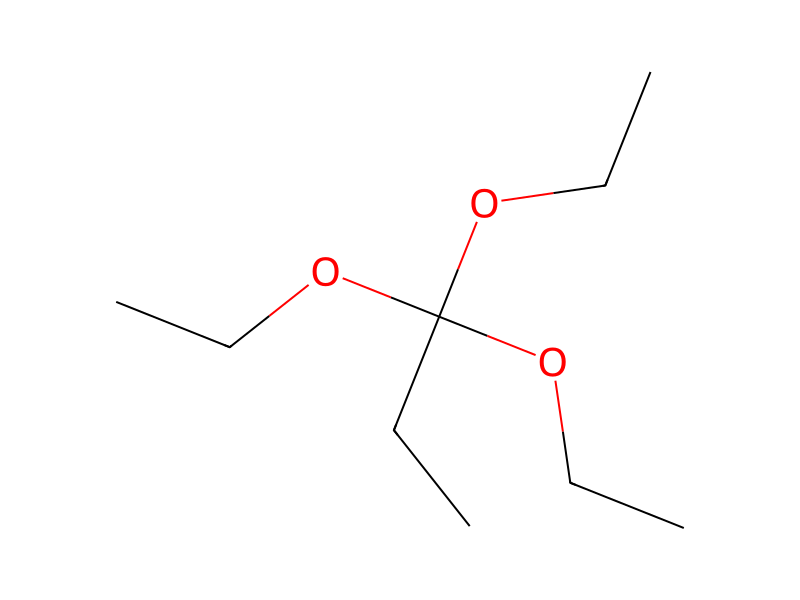

Product 1

Reagents, catalysts & solvents 1

Procedure
The method described in Part E of Example 65 was used to treat ethyl 1-{[(3-aminoquinolin-4-yl)amino]methyl}cyclobutanecarboxylate (6 mmol) with triethyl orthopropionate (1.6 mL, 7.9 mmol) and pyridine hydrochloride (35 mg) and isolate the final product, ethyl 1-[(2-ethyl-1H-imidazo[4,5-c]quinolin-1-yl)methyl]cyclobutanecarboxylate (1.86 g, 5.51 mmol), as a white solid, which was treated with sodium hydroxide (1.8 mL of 6 M) according to the method of Part F of Example 65. The product, 1-[(2-ethyl-1H-imidazo[4,5-c]quinolin-1-yl)methyl]cyclobutanecarboxylic acid, was isolated as a tan solid (1.49 g) according to the methods of Part F of Example 65.
Sources & evidence
- ORD record
- ord-73249893762a4cc39b3127b8ffdbfcc8
- Source dataset
- uspto-grants-2014_04
- Patent number
- US08697873B2
Reaction notes
Loading…