Phosphorus tribromide → 1-[4-(2-Bromoethyl)piperidin-1-yl]-2,2-diphenylethanone
Reaction equation

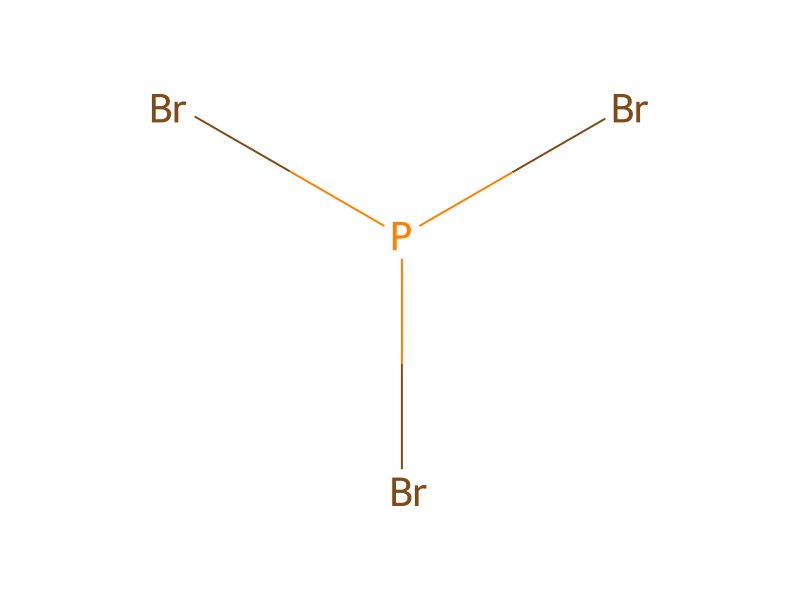
O[CH2:2][CH2:3][CH:4]1[CH2:9][CH2:8][N:7]([C:10](=[O:24])[CH:11]([C:18]2[CH:23]=[CH:22][CH:21]=[CH:20][CH:19]=2)[C:12]2[CH:17]=[CH:16][CH:15]=[CH:14][CH:13]=2)[CH2:6][CH2:5]1.P(Br)(Br)[Br:26]>ClCCl>[Br:26][CH2:2][CH2:3][CH:4]1[CH2:9][CH2:8][N:7]([C:10](=[O:24])[CH:11]([C:18]2[CH:23]=[CH:22][CH:21]=[CH:20][CH:19]=2)[C:12]2[CH:17]=[CH:16][CH:15]=[CH:14][CH:13]=2)[CH2:6][CH2:5]1Participants
4



Procedure
1-[4-(2-Hydroxyethyl)piperidin-1-yl]-2,2-diphenylethanone (2.39 g; 8.11 mmol) was dissolved in dichloromethane (20 ml). At room temperature, phosphorous tribromide (1.6 ml; 8.92 mmol) was slowly added dropwise. The reaction mixture was heated under reflux for 4 h. Cooling was followed by washing with saturated NaHCO3 solution, 2N HCl and saturated NaCl solution, and the organic phase was separated off and dried over Na2SO4. The solvent was removed under reduced pressure. Purification of the residue through a cartridge (silica gel) resulted in 1-[4-(2-bromoethyl)-piperidin-1-yl]-2,2-diphenylethanone (0.75 g; 2.13 mmol).
Workup
- temperatureThe reaction mixture was heated
- temperatureunder reflux for 4 h
- temperatureCooling
- washby washing with saturated NaHCO3 solution, 2N HCl and saturated NaCl solution
- customthe organic phase was separated off
- dry with materialdried over Na2SO4
- customThe solvent was removed under reduced pressure
- customPurification of the residue through a cartridge (silica gel)
Sources & evidence
- ORD record
- ord-4274a8b147194b55bf55472c0d4dc76f
- Source dataset
- uspto-grants-2014_04
- Patent number
- US08710232B2
Reaction notes
Loading…