Methanol → 3,4-Dibromo-2-methylthiophene
Reaction equation

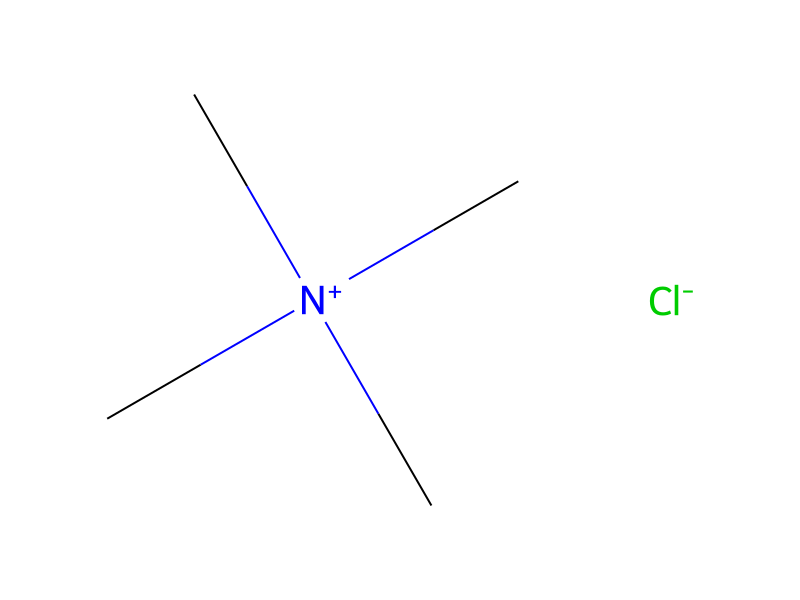
CO.[Sn](Cl)Cl.[CH3:6][C:7]1[S:8][C:9]([Br:14])=[C:10]([Br:13])[C:11]=1[Br:12].BrC1SC(C)=CC=1Br>[Cl-].C[N+](C)(C)C.C(Cl)Cl>[Br:12][C:11]1[C:10]([Br:13])=[CH:9][S:8][C:7]=1[CH3:6].[Br:14][C:9]1[S:8][C:7]([CH3:6])=[C:11]([Br:12])[CH:10]=1Participants
8
Reactant 4




Product 2


Reagents, catalysts & solvents 2

Procedure
A catholyte of 400 ml of methanol, 200 ml of methylene chloride, 1 g of tin(II) chloride, 5 g of tetramethylammonium chloride and 20.4 g of 2-methyl-3,4,5-tribromothiophene were electrolysed in the electrolysis cell 1 at a current density of 25 mA/cm2, a voltage of 3.8 to 2.9 V and a temperature of 30° C. The current consumption was 8.4 Ah. After addition of 500 ml of water to the catholyte, phase separation and removal of the methylene chloride by distillation, 12.98 g of 3,4-dibromo-2-methylthiophene (yield: 83.1%), 0.45 g of a mixture of 2,3-dibromo-5-methylthiophene and 2,4-dibromo-5-methylthiophene (yield: 2.7%) and 0.071 g of unreacted 2-methyl-3,4,5-tribromothiophene were obtained.
Workup
- customa temperature of 30° C
- customThe current consumption
- additionAfter addition of 500 ml of water
- customto the catholyte, phase separation and removal of the methylene chloride
Sources & evidence
- ORD record
- ord-252a49edb92644e6875cbff279b66f92
- Source dataset
- uspto-grants-1992_03
- Patent number
- US05100520
Reaction notes
Loading…