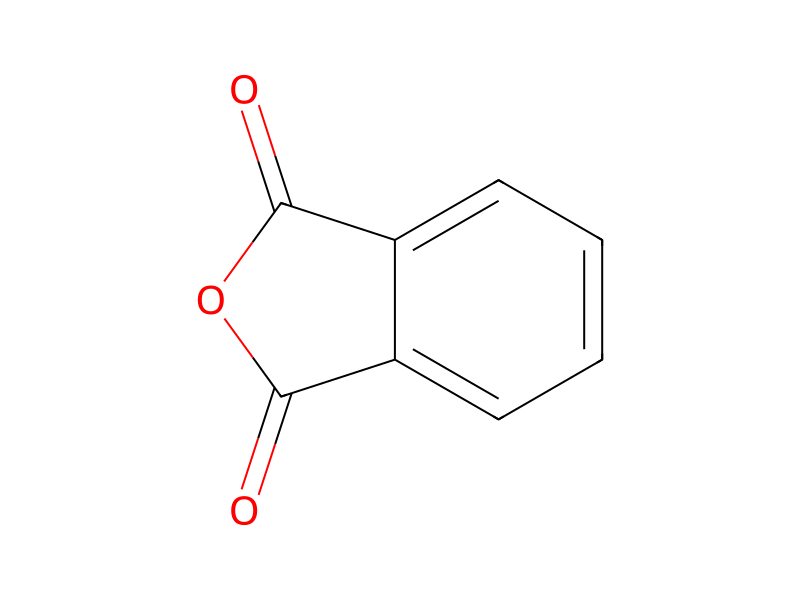
Phthalic Anhydride → 6688-50-2
Reaction equation

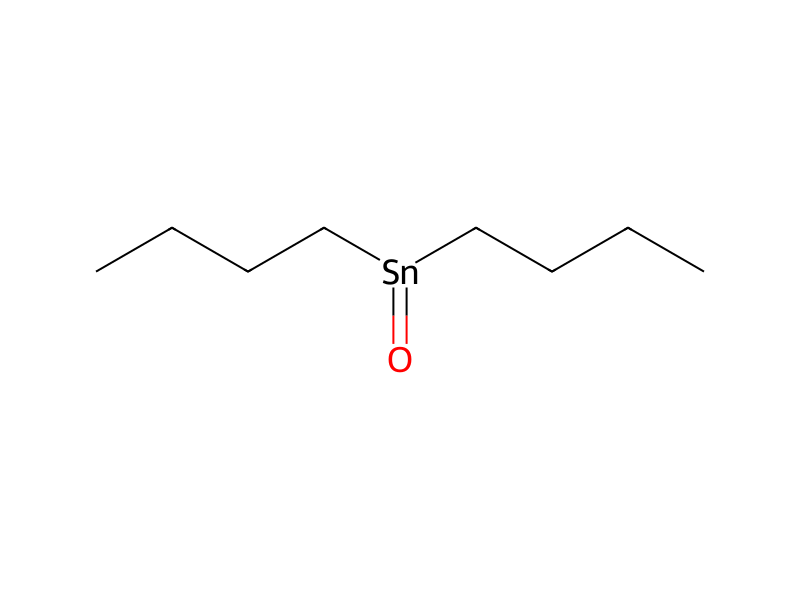
[C:1]1(=[O:11])[O:6][C:4](=[O:5])[C:3]2=[CH:7][CH:8]=[CH:9][CH:10]=[C:2]12.[CH2:12]([Sn:16](=[O:21])[CH2:17][CH2:18][CH2:19][CH3:20])[CH2:13][CH2:14][CH3:15]>>[C:1]([O-:6])(=[O:11])[C:2]1[C:3](=[CH:7][CH:8]=[CH:9][CH:10]=1)[C:4]([O-:21])=[O:5].[CH2:12]([Sn+2:16][CH2:17][CH2:18][CH2:19][CH3:20])[CH2:13][CH2:14][CH3:15]Participants
3
Reactant 2
Product 1

Procedure
1.48 kg of phthalic anhydride and 2.49 kg of dibutyltin oxide are mixed with one another, and the mixture is continuously added to a twin-screw laboratory extruder via an addition tunnel. The cylinder section consists of three heating zones and a cooling zone. The temperature of the mixture in the reaction zone is 63° C. After passing through the cooling extruder unit, the product temperature at the discharge point is 38° C. The throughput takes 35 minutes, which corresponds to an average residence time of 4.7 min. Dibutyltin phthalate (compound 1) is obtained as the end product in the form of a white free-flowing powder.
Workup
- additionis continuously added to a twin-screw laboratory extruder via an addition tunnel
- customis 63° C
- customis 38° C
- customcorresponds to an average residence time of 4.7 min
Sources & evidence
- ORD record
- ord-65c1c69d18a849ceb0ce478c63764a88
- Source dataset
- uspto-grants-1994_11
- Patent number
- US05364954
Reaction notes
Loading…