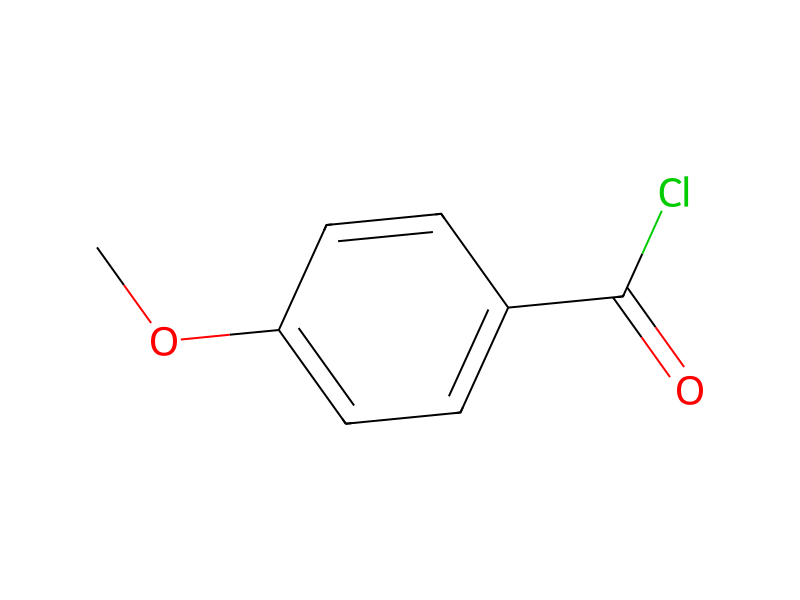
p-Anisoyl chloride → HCID 8763095, compound
Reaction equation

[C:1](Cl)(=[O:10])[C:2]1[CH:7]=[CH:6][C:5]([O:8][CH3:9])=[CH:4][CH:3]=1.[NH2:12][C:13]1[CH:22]=[CH:21][CH:20]=[C:19]2[C:14]=1[CH:15]=[CH:16][N:17]=[CH:18]2>>[CH3:9][O:8][C:5]1[CH:6]=[CH:7][C:2]([C:1]([NH:12][C:13]2[CH:22]=[CH:21][CH:20]=[C:19]3[C:14]=2[CH:15]=[CH:16][N:17]=[CH:18]3)=[O:10])=[CH:3][CH:4]=1Participants
3


Procedure
Anisoyl chloride was reacted with 5-aminoisoquinoline according to the procedure of Example 8 to produce 5-(4-methoxybenzamido) isoquinoline. This product was then reduced according to the procedure of Example 8 to yield 5-(4-methoxybenzamido)-1,2,3,4-tetrahydroisoquinoline HCl. After purification from water it had a melting point of 289°-290° C.
Sources & evidence
- ORD record
- ord-82b4a9e019b44c63bfdee6a4202217cd
- Source dataset
- uspto-grants-1977_05
- Patent number
- US04022900
Reaction notes
Loading…