Water → HCID 53865799, compound
Reaction equation

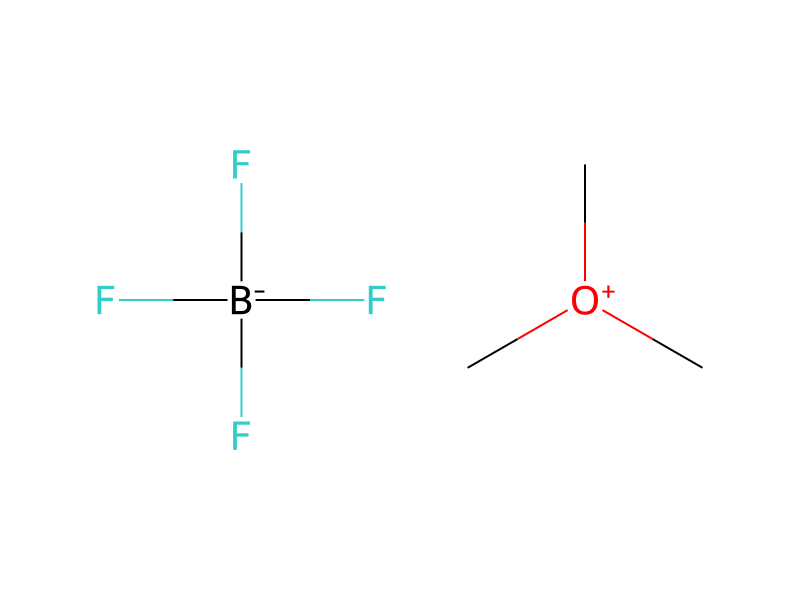
[C:1]([O:4][CH2:5][C@@:6]12[C@@H:23]3[C@H:14]([C@H:15]4[C@@:19]([CH2:21][CH2:22]3)([CH3:20])[C@@H](O)[CH2:17][CH2:16]4)[CH2:13][CH2:12][C:11]1=[CH:10][C@@H:9]([OH:25])[CH2:8][CH2:7]2)(=O)[CH3:2].F[B-](F)(F)F.C[O+:32]([CH3:34])[CH3:33].[OH2:35].[CH2:36](Cl)Cl>>[C:1]([O:4][CH2:5][C@@:6]12[C@@H:23]3[C@H:14]([C@H:15]4[C@@:19]([CH2:21][CH2:22]3)([CH3:20])[C@@H:33]([O:32][CH3:34])[CH2:17][CH2:16]4)[CH2:13][CH2:12][C:11]1=[CH:10][C@@H:9]([O:25][CH3:36])[CH2:8][CH2:7]2)(=[O:35])[CH3:2]Participants
5




Procedure
Androst-4-ene-3β,17β,19-triol 19-acetate is dissolved in methylenechloride and trimethyloxonium fluoroborate added. After stirring for 2 hours at room temperature, water is added. The methylenechloride layer is separated, dried over magnesium sulfate and concentrated. The residue which remains is crystallized from acetone-hexane to yield the desired 3β,17β-dimethoxy-4-androsten-19-ol acetate.
Workup
- customThe methylenechloride layer is separated
- dry with materialdried over magnesium sulfate
- concentrationconcentrated
- customThe residue which remains is crystallized from acetone-hexane
Sources & evidence
- ORD record
- ord-4c8bd75104a7482683a976f4482d3a64
- Source dataset
- uspto-grants-1977_05
- Patent number
- US04022769
Reaction notes
Loading…