Bromide ion → 4-Methylpentyn-3-ol
Reaction equation

[Cl:1][C:2]([CH:4]([Cl:8])[CH:5]([CH3:7])[CH3:6])=[CH2:3].Cl[C:10]1[CH:19]=C[C:13](NC(=S)[S-])=[C:12]([CH3:20])[CH:11]=1.C([NH+](CC)CC)C.C(=[O:32])C(C)C.[Br-]>>[Cl:1][C:2]([CH:4]([Cl:8])[CH:5]([CH3:7])[CH3:6])=[CH2:3].[CH3:13][CH:12]([CH3:20])[CH:11]([OH:32])[C:10]#[CH:19]Participants
6

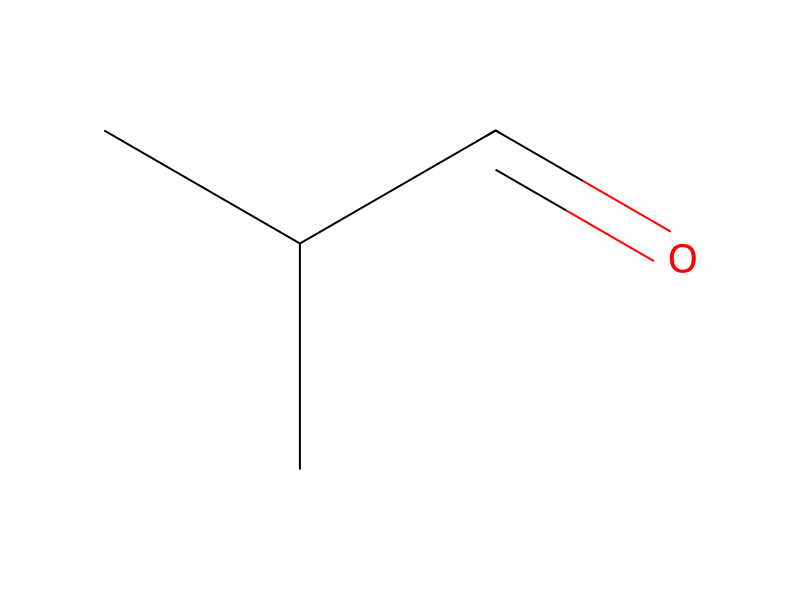


Procedure
By the procedure of Example 2, the reactant 2-chloro-1-isopropylallyl 4-chloro-2-methyl dithiocarbanilate is prepared by the reaction of 2,3-dichloro-4-methyl-1-pentene and triethylammonium 4-chloro-2-methyldithiocarbanilate. The 2,3-dichloro-4-methyl-1-pentene is prepared by the reaction of isobutyraldehyde with acetylenemagnesium bromide to yield 4-methyl-1-pentyn-3-ol, which is converted to 2-chloro-4-methyl-1-pentene-3-ol by treatment with hydrogen chloride in the presence of mercuric chloride. The required 2,3-dichloro-4-methyl-1-pentene is then obtained by treating 2-chloro-4-methyl-1-pentene-3-ol with phosphorus trichloride.
Sources & evidence
- ORD record
- ord-00ce24b7ab8141cb8d696cddbecd5888
- Source dataset
- uspto-grants-1977_05
- Patent number
- US04025532
Reaction notes
Loading…