Acetic Acid → 1,4-Dihydrocinnoline
Reaction equation

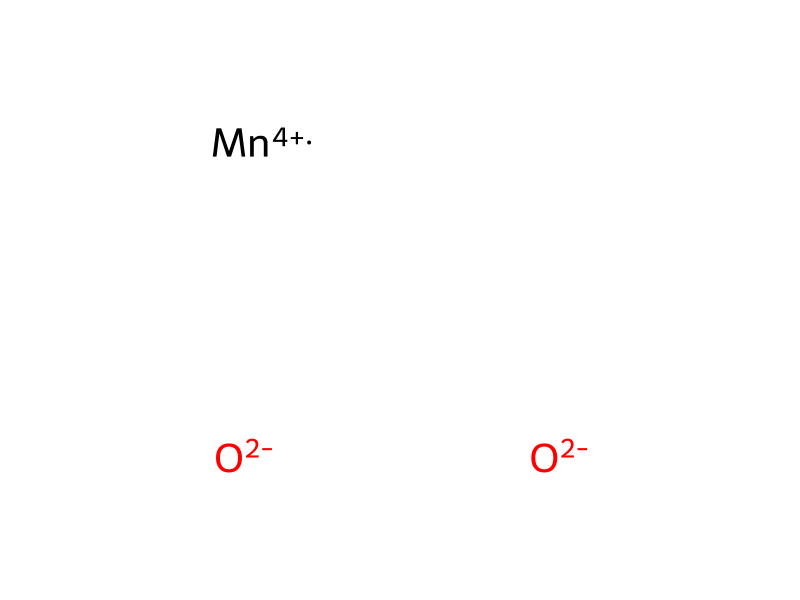
[N+]([C:4]1[CH:5]=[C:6]2[C:11](=[CH:12][CH:13]=1)[N:10]=[N:9][C:8](C(OCC)=O)=[CH:7]2)([O-])=O.CC(C)=O.C(O)(=O)C.[H][H]>C(O)C.[Pt]=O.[O-2].[O-2].[Mn+4]>[NH:10]1[C:11]2[C:6](=[CH:5][CH:4]=[CH:13][CH:12]=2)[CH2:7][CH:8]=[N:9]1Participants







Procedure
A mixture of ethyl 6 nitrocinnolin-3-yl carboxylate (0.7 g.) and platinum oxide (100 mg.) in dry ethanol (20 ml.) acetone (20 ml.) and glacial acetic acid (0.5 ml.) was shaken in an atmosphere of hydrogen at room temperature and atmospheric pressure for 24 hours. The mixture was then heated to boiling point on a steam bath, and manganese dioxide (10 g.) was added to the boiling solution. (The above-mentioned reducing conditions resulted in the formation of relatively small amount of the 1,4-dihydrocinnoline derivative, and the manganese dioxide was used to convert this into the corresponding cinnoline derivative.) The suspension was heated under reflux for 30 minutes and then filtered through Celite. Kieselgel 60 (1 g.) was added to the filtrate, and the mixture was evaporated to dryness. The residue was placed on the top of a silica column (50 g. Kieselgel 60). Elution with ethyl acetate, evaporation of the appropriate fractions and recrystallisation from aqueous ethanol gave ethyl 6-isopropylaminocinnolin-3-yl carboxylate, m.p. 167°-168° C.
Workup
- temperatureThe mixture was then heated
Sources & evidence
- ORD record
- ord-6d7aeee4a5244bc1b0b6c1de44568363
- Source dataset
- uspto-grants-1977_05
- Patent number
- US04027023
Reaction notes
Loading…