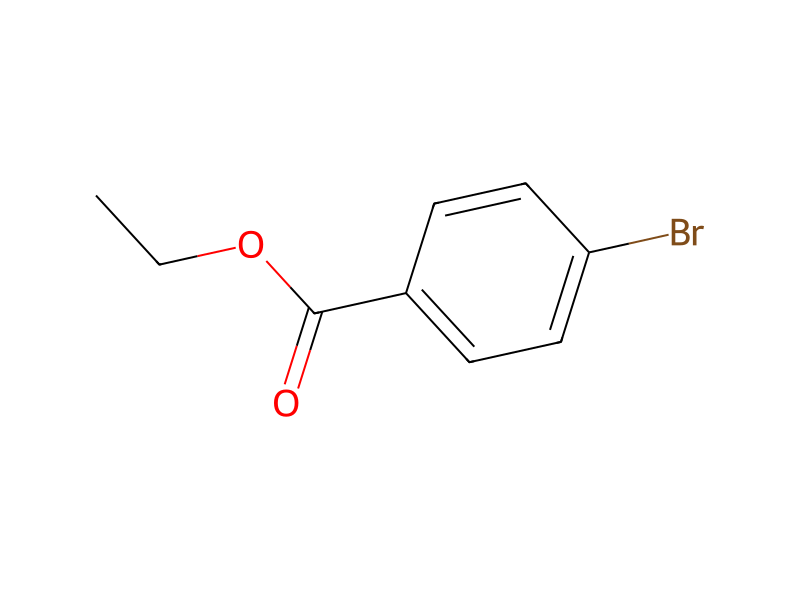
Ethyl 4-bromobenzoate → HCID 89524159, compound
Reaction equation

[Cl:1][C:2]1[CH:18]=[C:17]([Cl:19])[CH:16]=[CH:15][C:3]=1[CH2:4][NH:5][C:6]([N:8]1[CH2:14][CH:13]2[CH:10]([CH2:11][NH:12]2)[CH2:9]1)=[O:7].Br[C:21]1[CH:31]=[CH:30][C:24]([C:25]([O:27][CH2:28][CH3:29])=[O:26])=[CH:23][CH:22]=1>>[CH2:28]([O:27][C:25](=[O:26])[C:24]1[CH:30]=[CH:31][C:21]([N:12]2[CH2:11][CH:10]3[CH:13]2[CH2:14][N:8]([C:6](=[O:7])[NH:5][CH2:4][C:3]2[CH:15]=[CH:16][C:17]([Cl:19])=[CH:18][C:2]=2[Cl:1])[CH2:9]3)=[CH:22][CH:23]=1)[CH3:29]Participants
3


Procedure
In analogy to the experimental procedure of example 20) rac-3-(2,4-Dichloro-benzylcarbamoyl)-3,6-diaza-bicyclo[3.2.0]heptane using ethyl 4-bromobenzoate instead of 2-bromopyrimidine was converted into the title compound which was obtained as a white solid and directly used without further purification.
Sources & evidence
- ORD record
- ord-0a9014d53fb049f28c1aa9938af0c8e8
- Source dataset
- uspto-grants-2014_08
- Patent number
- US08809552B2
Reaction notes
Loading…