Water → Methyl 1-methyl-3-(3-bromophenyl)-4-chloropyrazole-5-carboxylate
Reaction equation

[CH3:1][N:2]1[C:6]([C:7]([O:9][CH3:10])=[O:8])=[CH:5][C:4]([C:11]2[CH:16]=[CH:15][CH:14]=[C:13]([Br:17])[CH:12]=2)=[N:3]1.S(Cl)([Cl:21])(=O)=O.O>C1C=CC=CC=1>[CH3:1][N:2]1[C:6]([C:7]([O:9][CH3:10])=[O:8])=[C:5]([Cl:21])[C:4]([C:11]2[CH:16]=[CH:15][CH:14]=[C:13]([Br:17])[CH:12]=2)=[N:3]1Participants
5
Reactant 3

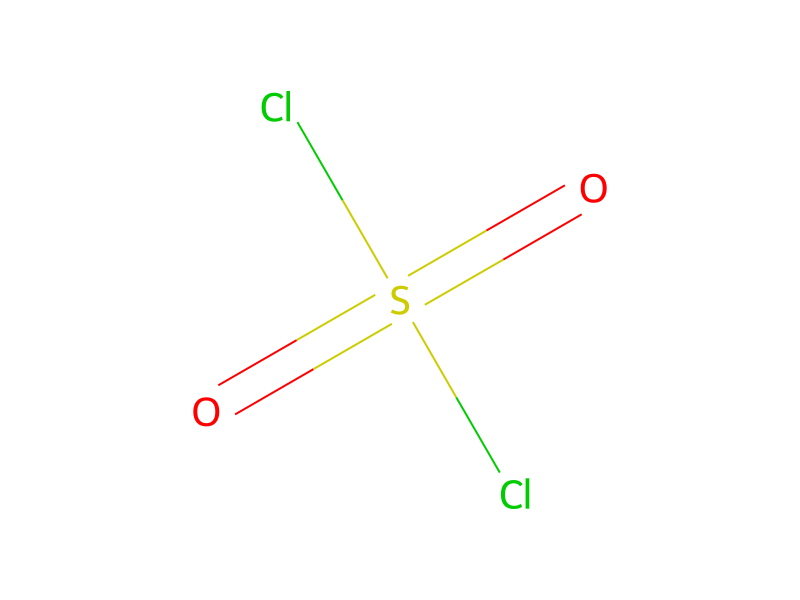

Product 1

Reagents, catalysts & solvents 1

Procedure
A reaction mixture was prepared from 13.5 g. of methyl 1-methyl-3-(3-bromophenyl)pyrazole-5-carboxylate and 6.2 g. of sulfuryl chloride in benzene solution. The reaction mixture was heated to refluxing temperature for about 36 hours, and was then cooled and poured into water. The aqueous mixture was extracted with ethyl acetate, and the ethyl acetate extract separated and dried. Removal of the ethyl acetate in vacuo yielded, as a residue, methyl 1-methyl-3-(3-bromophenyl)-4-chloropyrazole-5-carboxylate formed in the above reaction. Recrystallization of the residue from hexane yielded crystalline material melting at 91°-3° C.
Workup
- customA reaction mixture was prepared from 13.5 g
- temperatureThe reaction mixture was heated
- temperatureto refluxing temperature for about 36 hours
- temperaturewas then cooled
- extractionThe aqueous mixture was extracted with ethyl acetate
- extractionthe ethyl acetate extract
- customseparated
- customdried
- customRemoval of the ethyl acetate in vacuo
- customyielded, as a residue
Sources & evidence
- ORD record
- ord-b63dc983b38846d48f43eeaf6bfffb1c
- Source dataset
- uspto-grants-1985_01
- Patent number
- US04495195
Reaction notes
Loading…