Adenine → N-(3-Thienylmethyl)-9H-purin-6-amine
Reaction equation

[N:1]1[C:9]([NH2:10])=[C:8]2[C:4]([N:5]=[CH:6][NH:7]2)=[N:3][CH:2]=1.[S:11]1[CH:15]=[CH:14][C:13]([C:16](Cl)=O)=[CH:12]1.N1C=CC=CC=1>O1CCOCC1>[S:11]1[CH:15]=[CH:14][C:13]([CH2:16][NH:10][C:9]2[N:1]=[CH:2][N:3]=[C:4]3[C:8]=2[NH:7][CH:6]=[N:5]3)=[CH:12]1Participants
5
Reactant 3


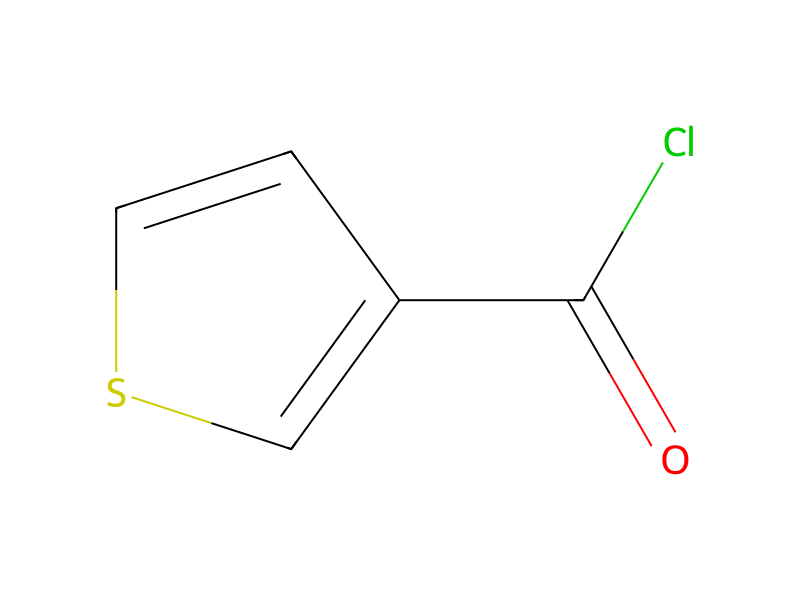
Product 1

Reagents, catalysts & solvents 1

Procedure
In the other version of the process, 1 mole equivalent of adenine is heated in a conventional manner (Phytochemistry 16, (1977) 1865) with from 1 to 10, preferably from 2 to 5, mole equivalents of thiophene-3-carbonyl chloride in the presence of a proton acceptor (e.g. pyridine), possibly in a solvent, such as dioxane, at as high as 200° C., and the mixture is worked up in a conventional manner and if necessary recrystallized, for example as described above.
Sources & evidence
- ORD record
- ord-d1e2bd802d7149e38e0b052534c4a447
- Source dataset
- uspto-grants-1988_01
- Patent number
- US04718936
Reaction notes
Loading…