Water → 2-(Chloromethyl)-3-methylpyridine
Reaction equation

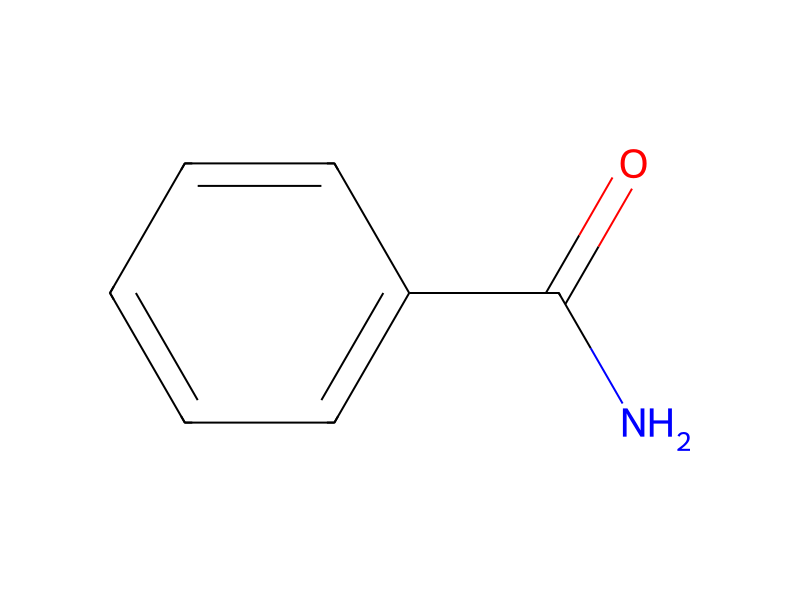
[CH3:1][C:2]1[C:7]([CH3:8])=[CH:6][CH:5]=[CH:4][N:3]=1.[Cl:9]N1C(=O)N(Cl)C(=O)N(Cl)C1=O.O.[OH-].[K+]>C1CCCCC1.C(N)(=O)C1C=CC=CC=1>[Cl:9][CH2:1][C:2]1[C:7]([CH3:8])=[CH:6][CH:5]=[CH:4][N:3]=1Participants
7






Procedure
A mixture of 107.16 g (1 mole) of 2,3-dimethyl-pyridine and 5 g of benzamide in 400 ml of cyclohexane was heated to reflux while adding over 4 hours 130 g (0.56 mole) of trichloroisocyanuric acid (min. 90% available chlorine) in portions and the mixture was stirred for another 7 hours at reflux and then cooled. Under agitation mix with 500 ml of water and 150 ml of 50% potassium hydroxide were added with stirring to obtain a solution. The decanted organic phases were dried over MgSO4 and evaporated to dryness under reduced pressure to obtain 85 g (60%) of 2-chloromethyl-3-methyl pyridine which slowly colored red with a boiling point of 53° to 57° C. at 3 mm H
Workup
- temperaturewas heated
- temperatureto reflux
- temperatureat reflux
- temperaturecooled
- additionwere added
- stirringwith stirring
- customto obtain a solution
- dry with materialThe decanted organic phases were dried over MgSO4
- customevaporated to dryness under reduced pressure
Sources & evidence
- ORD record
- ord-2dd6c9a4644d4e11a5939915d092777e
- Source dataset
- uspto-grants-1988_01
- Patent number
- US04719298
Reaction notes
Loading…