Adipic Acid → Cyclohexanol
Reaction equation

[C:1]([OH:10])(=O)[CH2:2][CH2:3][CH2:4][CH2:5][C:6](O)=O.O[CH2:12][CH2:13][CH2:14][CH2:15][CH2:16][C:17]([OH:19])=O>CCCCC(C([O-])=O)CC.CCCCC(C([O-])=O)CC.[Co+2].[Co].C1CCCCC1>[CH:1]1([OH:10])[CH2:2][CH2:3][CH2:4][CH2:5][CH2:6]1.[C:17]1(=[O:19])[CH2:12][CH2:13][CH2:14][CH2:15][CH2:16]1Participants
Reactant 2
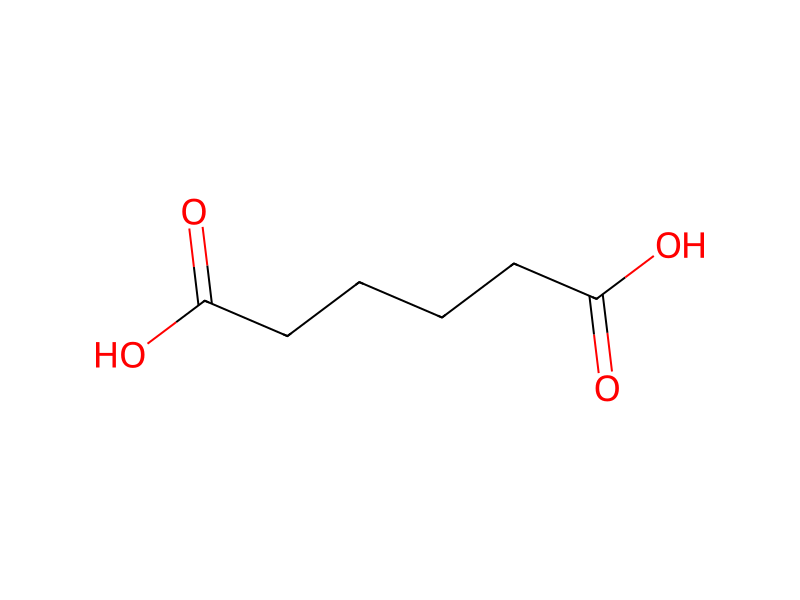

Product 2
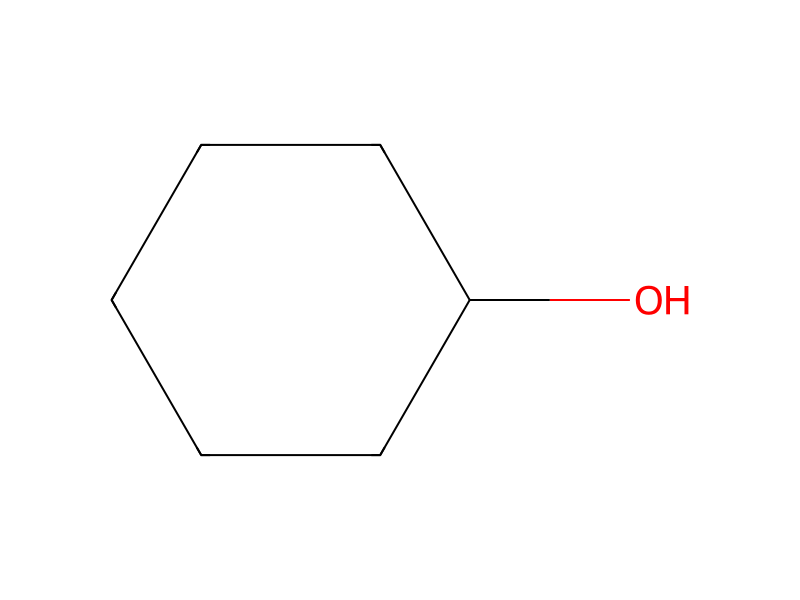

Reagents, catalysts & solvents 3



Procedure
Cyclohexane was oxidized in the liquid phase with air, in the presence of cobalt octoate catalyst at a pressure of about 170 psi. The cobalt content of the stream was about 0.1 ppm. Two of the components of the "other oxidation products" were measured: the stream contained about 0.13 weight % adipic acid and about 0.26 wt percent 6-hydroxy caproic acid. A commercial alkyl phosphate (Emphos PS-400) was injected into the oxidizer tails at 6 ppm concentration. The mixture was extracted with water, 2.5% by volume, at 127° C. in two mixer/separator stages and then flashed to remove water. The resulting mixture contained cyclohexane, 1.212 weight % cyclohexylhydroperoxide, 0.087 weight % dicyclohexylperoxide, 0.029 weight % 2-cyclohexyl-2-methylfuranylperoxide, 0.886 weight % cyclohexanone, 2.32 weight % cyclohexanol, 128 ppm cyclohexenone and about 0.02 ppm cobalt. Analysis showed that between about 65 and 85 weight % of the adipic acid and 6-hydroxy caproic acid were extracted. This mixture was hydrogenated at 150° C. and 165 psia in a 6-inch×9-foot long fixed bed containing 60 pounds of 1/12-inch spheres of 0.5% palladium on silica catalyst. After 62 days of operation (56,000 pounds of feed per pound of catalyst), the hydrogenation rate remained high for cyclohexylhydroperoxide (99%), 2-cyclohexyl-2-methylfuranylperoxide (81%), cyclohexenone (98%), and dicyclohexylperoxide (60%). The ratio of cyclohexanol to cyclohexanone produced across the hydrogenator remained high at 5.5. A high percentage of peroxide exiting the air oxidizer (>80%) reached the hydrogenator. The yield of cyclohexanol and cyclohexanone was 92% based on converted peroxide. The moles of hydrogen consumed per mole of peroxide consumed was 0.60, with the remaining hydrogen dissolved in the hydrogenator tails stream. The catalyst removed at the end of the run was clean and free flowing.
Workup
- concentrationA commercial alkyl phosphate (Emphos PS-400) was injected into the oxidizer tails at 6 ppm concentration
- extractionThe mixture was extracted with water, 2.5% by volume, at 127° C. in two mixer/separator stages
- customto remove water
- extractionwere extracted
- customwas hydrogenated at 150° C.
- addition165 psia in a 6-inch×9-foot long fixed bed containing 60 pounds of 1/12-inch
Sources & evidence
- ORD record
- ord-f7dc578cb1db4fcc8ec341444193068c
- Source dataset
- uspto-grants-1988_01
- Patent number
- US04720592
Reaction notes
Loading…