p-Anisoyl chloride → N-(4-Methoxybenzoyl)benzenecarbohydrazonic acid
Reaction equation

[C:1]([NH:4][NH:5][C:6](=[O:13])[C:7]1[CH:12]=[CH:11][CH:10]=[CH:9][CH:8]=1)(=[O:3])[CH3:2].[CH3:14][O:15][C:16]1[CH:24]=[CH:23]C(C(Cl)=O)=[CH:18][CH:17]=1>>[C:6]([NH:5][NH:4][C:1](=[O:3])[C:2]1[CH:23]=[CH:24][C:16]([O:15][CH3:14])=[CH:17][CH:18]=1)(=[O:13])[C:7]1[CH:12]=[CH:11][CH:10]=[CH:9][CH:8]=1Participants
3
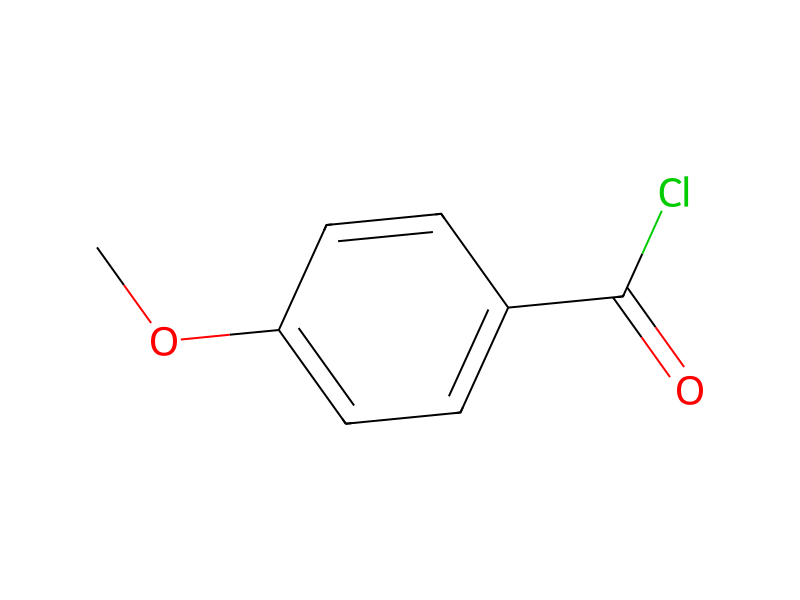


Procedure
Synthesis and isolation were same as 1-acetyl-2-benzoylhydrazine, using 1.5 g (11.2 mmol) of benzoylhydrazide, 1.9 g (11.1 mmol) of 4-methoxybenzoylchloride and 1.1 g of TEA. Yield was 2.9 g (97%). 1H NMR (200 MHz, d6-DMSO) δ 5.13 (s, 3H), 8.36 (d, 2H), 8.86 (m, 3H), 9.23 (d, 4H) 11.72 (d, 2H); MS (EI, m/e, relative intensity %) calcd for C15H14N2O3 270, found 270 (M+, 5.1); mp 201-202° C.
Workup
- customSynthesis and isolation
Sources & evidence
- ORD record
- ord-1a042fb80e81403b884f0714e13a93e2
- Source dataset
- uspto-grants-2004_11
- Patent number
- US06815528B2
Reaction notes
Loading…