Ethyl trifluoroacetate → 2-N-trifluoroacetyl-6-N-benzyloxycarbonyl-lysine
Reaction equation

[CH2:1]([O:8][C:9]([NH:11][CH2:12][CH2:13][CH2:14][CH2:15][C@@H:16]([C:18]([OH:20])=[O:19])[NH2:17])=[O:10])[C:2]1[CH:7]=[CH:6][CH:5]=[CH:4][CH:3]=1.C([O:23][C:24](=O)[C:25]([F:28])([F:27])[F:26])C>C(O)C>[F:26][C:25]([F:28])([F:27])[C:24]([NH:17][C@H:16]([C:18]([OH:20])=[O:19])[CH2:15][CH2:14][CH2:13][CH2:12][NH:11][C:9]([O:8][CH2:1][C:2]1[CH:3]=[CH:4][CH:5]=[CH:6][CH:7]=1)=[O:10])=[O:23]Participants
4
Reactant 2
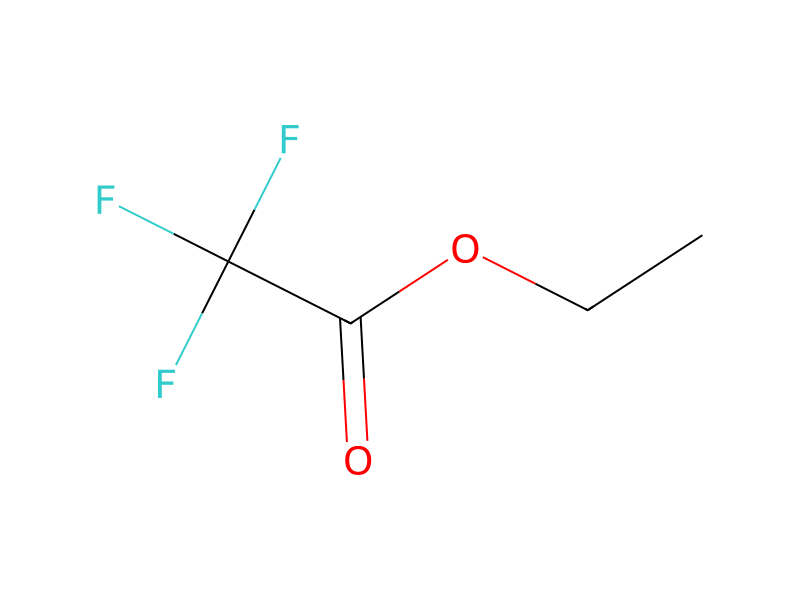

Product 1

Reagents, catalysts & solvents 1

Procedure
100 g (356.7 mmol) of 6-N-benzyloxycarbonyl-lysine is dissolved in a mixture that consists of 1000 ml of trifluoroacetic acid ethyl ester/500 ml of ethanol, and it is stirred for 24 hours at room temperature. It is evaporated to the dry state, and the residue is crystallized from diisopropyl ether.
Workup
- customIt is evaporated to the dry state
- customthe residue is crystallized from diisopropyl ether
Sources & evidence
- ORD record
- ord-f700b970f1a24c2888bdd108e75cbd65
- Source dataset
- uspto-grants-2004_11
- Patent number
- US06818203B2
Reaction notes
Loading…