Cyclododecane → 1-(2,6,6-Trimethyl-1-cyclohexen-1-yl)ethanone
Reaction equation

[CH3:1][C:2]([CH:4]1[C:9]([CH3:11])([CH3:10])[CH2:8][CH:7]=[CH:6][CH:5]1[CH3:12])=[O:3].C[O-].[K+].C1CCCCCCCCCCC1.[CH3:28][C:29]([C@@H:31]1[C:36]([CH3:38])([CH3:37])[CH2:35][CH:34]=[CH:33][C@H:32]1[CH3:39])=[O:30]>CS(C)=O>[CH3:1][C:2]([CH:4]1[C:9]([CH3:11])([CH3:10])[CH2:8][CH2:7][CH:6]=[C:5]1[CH3:12])=[O:3].[CH3:28][C:29]([C:31]1[C:36]([CH3:38])([CH3:37])[CH2:35][CH2:34][CH2:33][C:32]=1[CH3:39])=[O:30]Participants
Reactant 4
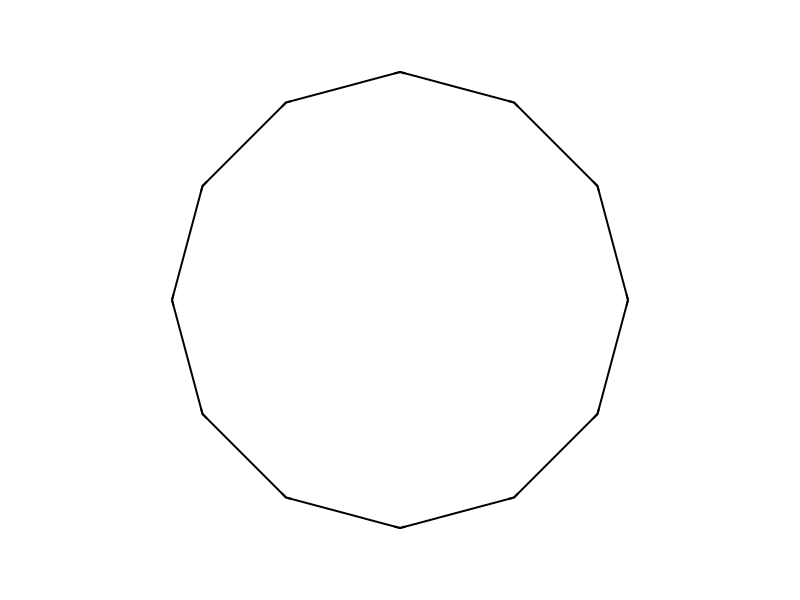


Product 2


Reagents, catalysts & solvents 1

Procedure
In a 100-ml four-necked flask equipped with a thermometer, a condenser and a stirrer, placed were 2,6,6-trimethyl-3-cyclohexenyl methyl ketone (10 g) synthesized in Referential Example 1, potassium methoxide (2.5 g), dimethyl sulfoxide (30 ml) and, as an internal standard substance for the analysis by gas chromatography, cyclododecane (3 g). The mixture was reacted at 120° C. for 2.5 hours. The reaction mixture was treated in an usual manner. Analysis by gas chromatography showed that the content of trans-2,6,6-trimethyl-3-cyclohexenyl methyl ketone was 4.4%, while those of 2,6,6-trimethyl-2-cyclohexenyl methyl ketone and 2,6,6-trimethyl-1-cyclohexenyl methyl ketone produced by the above reaction were 69.8% and 25.8%, respectively. As a result of calculation, the yield of the mixture of these three methyl ketones was found to be 8.6 g.
Workup
- customIn a 100-ml four-necked flask equipped with a thermometer, a condenser and a stirrer
- customThe mixture was reacted at 120° C. for 2.5 hours
- additionThe reaction mixture was treated in an usual manner
Sources & evidence
- ORD record
- ord-3ad9d001e69d4064be89745d6b0cf079
- Source dataset
- uspto-grants-2004_11
- Patent number
- US06822121B2
Reaction notes
Loading…