Dichloromethane → HCID 53728690, compound
Reaction equation

[CH3:1][C:2]1[C:3]([C:16]2[CH:17]=[C:18]([C:22](=C)[C:23](O)=O)[CH:19]=[CH:20][CH:21]=2)=[CH:4][C:5]2[C:6]([CH3:15])([CH3:14])[CH2:7][CH2:8][C:9]([CH3:13])([CH3:12])[C:10]=2[CH:11]=1.C1(NC2CCCCC2)CCCCC1.S(Cl)(Cl)=[O:41].Cl[CH2:45][Cl:46]>>[CH3:1][C:2]1[C:3]([C:16]2[CH:17]=[C:18]([CH:22]=[CH:23][C:45]([Cl:46])=[O:41])[CH:19]=[CH:20][CH:21]=2)=[CH:4][C:5]2[C:6]([CH3:15])([CH3:14])[CH2:7][CH2:8][C:9]([CH3:12])([CH3:13])[C:10]=2[CH:11]=1Participants
5




Procedure
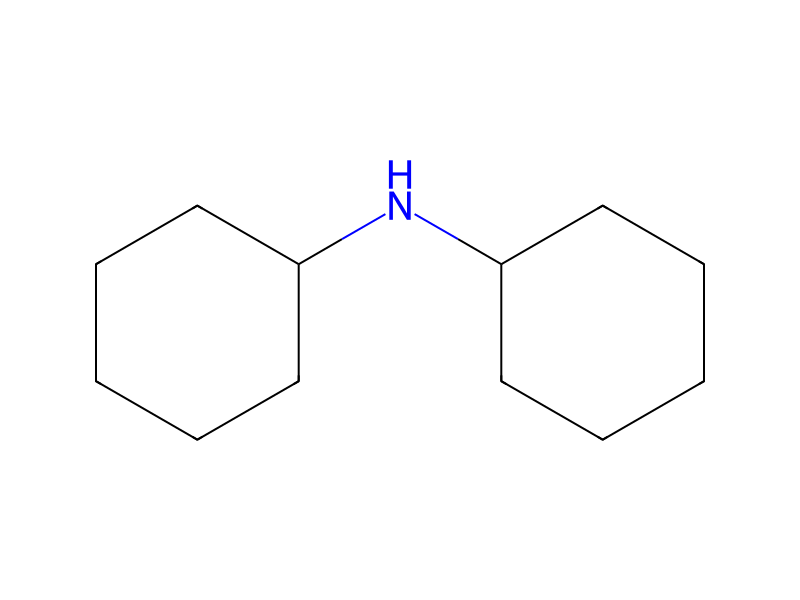
3.5 g (10 mmol) of 3-(3,5,5,8,8-pentamethyl-5,6,7,8-tetrahydro-2-naphthyl)phenylacrylic acid and 50 ml of dichloromethane are introduced into a round-bottomed flask and 2 ml (10 mmol) of dicylcohexylamine are added. The mixture is stirred at room temperature for 10 minutes and 729 μl (10 mmol) of thionyl chloride are then introduced with stirring for 15 minutes. The reaction medium is evaporated to dryness, the residue is taken up in ethyl ether, the dicyclohexylamine salt is filtered off and the filtrate is evaporated. 3.7 g (100%) of the crude acid chloride are collected, which will be used in its current state for the rest of the synthesis.
Workup
- stirringwith stirring for 15 minutes
- customThe reaction medium is evaporated to dryness
- filtrationthe dicyclohexylamine salt is filtered off
- customthe filtrate is evaporated
- custom3.7 g (100%) of the crude acid chloride are collected
- customwhich will be used in its current state for the rest of the synthesis
Sources & evidence
- ORD record
- ord-979d509a23284408a737a1d124089f12
- Source dataset
- uspto-grants-2004_11
- Patent number
- US06825360B1
Reaction notes
Loading…