Pyridine → HCID 13338838, compound
Reaction equation

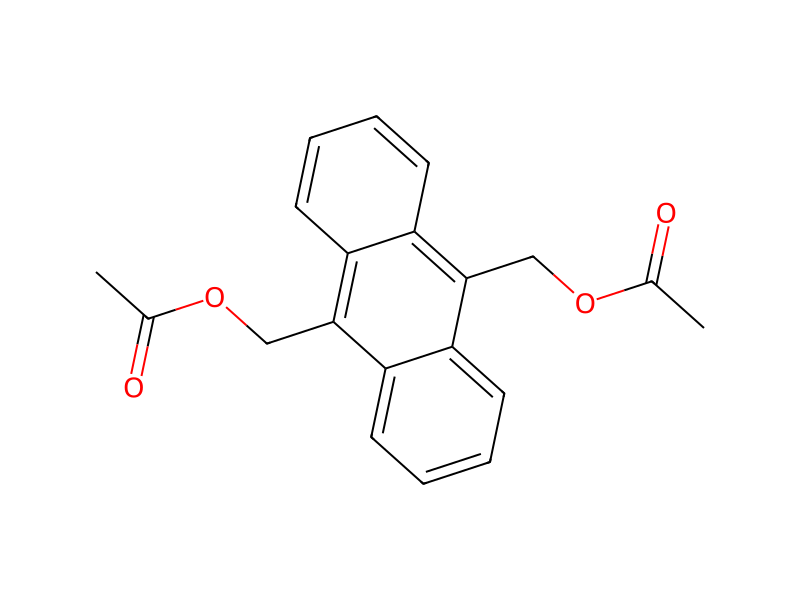
[F:1][C:2]1[C:3]([N:13]2[CH:17]=[CH:16][N:15]=[CH:14]2)=[C:4]2[C:9](=[CH:10][CH:11]=1)[N:8]=[C:7]([CH3:12])[CH:6]=[CH:5]2.N1C=CC=CC=1>CC(OCC1C2C(=CC=CC=2)C(COC(C)=O)=C2C=1C=CC=C2)=O>[F:1][C:2]1[C:3]([N:13]2[CH:17]=[CH:16][N:15]=[CH:14]2)=[C:4]2[C:9](=[CH:10][CH:11]=1)[NH:8][CH:7]([CH3:12])[CH2:6][CH2:5]2Participants
Reactant 2


Product 1

Reagents, catalysts & solvents 1
Procedure
A solution of 10.2 g (44.9 mmole) of 6-fluoro-5-(imidazol-1-yl)-2-methylquinoline, 16.7 g (180 mmole) of pyridine:diborane complex (that commercially available from Aldrich) and 200 ml of glacial acetic was stirred for about 22 hours at about 20° C. The solution was evaporated to reduce its volume, then 100 ml of 10% hydrochloric acid was added in small portions. The solution was heated on a steam bath for about one hour, then cooled with an ice bath and basified (pH 9 to 10) with 10% aqueous sodium hydroxide. The solid was separated by filtration, washed with water, and dissolved in ethyl acetate and dried. Recrystallization from aqueous ethanol provided 6-fluoro-5-(imidazol-1-yl)-1,2,3,4-tetrahydro-2-methylquinoline, m.p. 162°-164° C.
Workup
- customThe solution was evaporated
- addition100 ml of 10% hydrochloric acid was added in small portions
- temperatureThe solution was heated on a steam bath for about one hour
- temperaturecooled with an ice bath
- customThe solid was separated by filtration
- washwashed with water
- dissolutiondissolved in ethyl acetate
- customdried
- customRecrystallization from aqueous ethanol
Sources & evidence
- ORD record
- ord-791aad1a521643e488e23187a871c155
- Source dataset
- uspto-grants-1984_09
- Patent number
- US04472406
Reaction notes
Loading…