4,4-Diaminodiphenylmethane → Diphenylmethane diisocyanate
Reaction equation

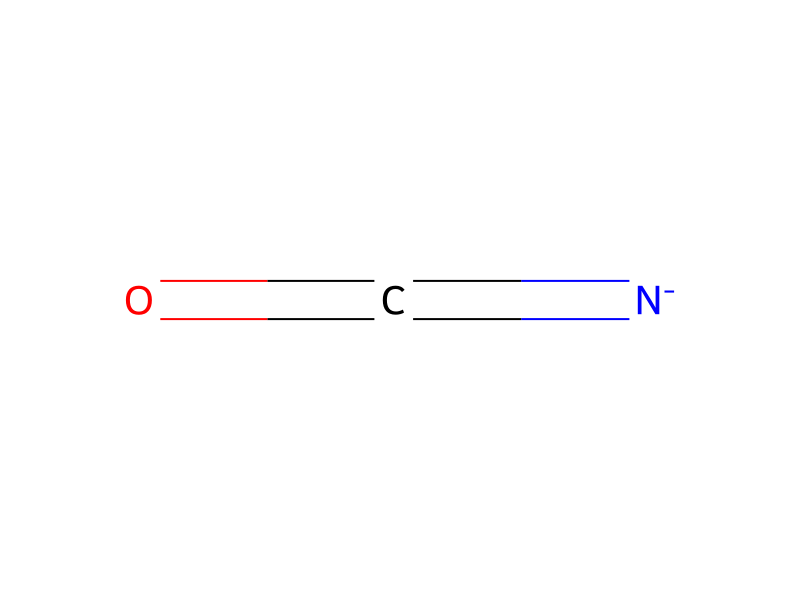
[N-:1]=[C:2]=[O:3].[CH:4]1[C:9]([CH2:10][C:11]2[CH:12]=[CH:13][C:14]([NH2:17])=[CH:15][CH:16]=2)=[CH:8][CH:7]=[C:6](N)[CH:5]=1.[NH2:19][C:20]1[CH:25]=[CH:24][CH:23]=[CH:22][CH:21]=1.[CH2:26]=[O:27]>>[CH:12]1[C:11]([CH2:10][C:9]2[CH:8]=[CH:7][C:6]([N:1]=[C:2]=[O:3])=[CH:5][CH:4]=2)=[CH:16][CH:15]=[C:14]([N:17]=[C:26]=[O:27])[CH:13]=1.[NH2:19][C:20]1[CH:25]=[CH:24][CH:23]=[CH:22][CH:21]=1.[CH2:2]=[O:3]Participants



Procedure
The instant emulsions are preferably used as binders for materials containing lignocellulose, as already mentioned. Emulsions which have proved to be particularly suitable for this purpose are those in which the isocyanate component (see German Offenlegungsschrift No. 2,711,958) is the phosgenation product for the undistilled bottom fractions. These may be obtained, for example, by the removal of 25 to 90% by weight, preferably 30 to 85% by weight of 2,2'-, 2,4'- and/or 4,4'-diaminodiphenylmethane from an aniline/formaldehyde condensate. The undistilled bottom fraction may also be obtained by the removal of 25 to 90% by weight, preferably 30 to 85% by weight of 2,2'-, 2,4'- and/or 4,4'-diisocyanatodiphenylmethane from the crude phosgenation product of an aniline/formaldehyde condensate. In either case, the isocyanate component should contain 35 to 70% by weight, preferably 45 to 60% by weight of diisocyanatodiphenylmethane. The 2,4'-diisocyanatodiphenylmethane content is from 1 to 8% by weight, preferably from 2 to 5% by weight and the content of 2,2'-diisocyanatodiphenylmethane is from 0 to 2% by weight. In either case, the isocyanate component has a viscosity at 25° C. of 50 to 600 mPas, preferably 200 to 500 mPas, and an isocyanate content from 28 to 32% by weight.
Workup
- additioncontaining lignocellulose
Sources & evidence
- ORD record
- ord-27b3824913c04837b9258a9e660fcb7a
- Source dataset
- uspto-grants-1984_09
- Patent number
- US04472550
Reaction notes
Loading…