Diethyl Ether → HCID 178464564, compound
Reaction equation

I.[NH2:2][NH:3][C:4]([NH:13][CH2:14][CH3:15])=[N:5][CH2:6][C:7]1[CH:12]=[CH:11][CH:10]=[CH:9][CH:8]=1.C(OCC)C.[OH-].[Na+].[Cl:23][C:24]1[CH:31]=[CH:30][CH:29]=[C:28]([Cl:32])[C:25]=1[CH:26]=O>C(Cl)Cl.CCCCCC>[CH2:6]([NH:5][C:4]([NH:3][N:2]=[CH:26][C:25]1[C:24]([Cl:23])=[CH:31][CH:30]=[CH:29][C:28]=1[Cl:32])=[N:13][CH2:14][CH3:15])[C:7]1[CH:8]=[CH:9][CH:10]=[CH:11][CH:12]=1Participants
7

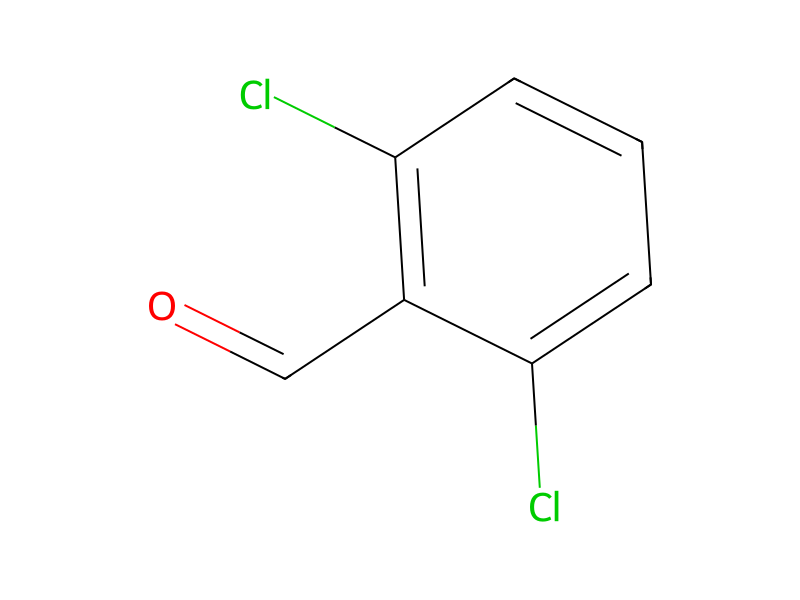





Procedure
A 10.0 g. portion of 1-amino-2-benzyl-3-ethylguanidine hydroiodide in a mixture of 100 ml. each of diethyl ether, n-hexane and methylene chloride is shaken with 10 ml. of 5N NaOH. A 5.46 g. portion of 2,6-dichlorobenzaldehyde is added and the mixture is shaken and then allowed to stand at room temperature overnight. The organic layer is washed with saturated aqueous sodium chloride, passed through hydrous sodium magnesium silicate and concentrated under reduced pressure. The residue is crystallized from diethyl ether-hexane to give the desired product as a bright yellow solid, m.p. 101°-103° C.
Workup
- washThe organic layer is washed with saturated aqueous sodium chloride
- concentrationconcentrated under reduced pressure
- customThe residue is crystallized from diethyl ether-hexane
Sources & evidence
- ORD record
- ord-ea61ed6977e942b39f9c165fe7310ad6
- Source dataset
- uspto-grants-1978_08
- Patent number
- US04107326
Reaction notes
Loading…