Sodium Hydroxide → 4-(4-Chlorophenyl)-1H-pyrrole-2-carboxylic acid
Reaction equation

CCO.O.[Cl:5][C:6]1[CH:11]=[CH:10][C:9]([C:12]2[CH:13]=[C:14]([C:17]([O:19]C)=[O:18])[NH:15][CH:16]=2)=[CH:8][CH:7]=1.[OH-].[Na+]>CCO>[Cl:5][C:6]1[CH:11]=[CH:10][C:9]([C:12]2[CH:13]=[C:14]([C:17]([OH:19])=[O:18])[NH:15][CH:16]=2)=[CH:8][CH:7]=1Participants
5




Procedure
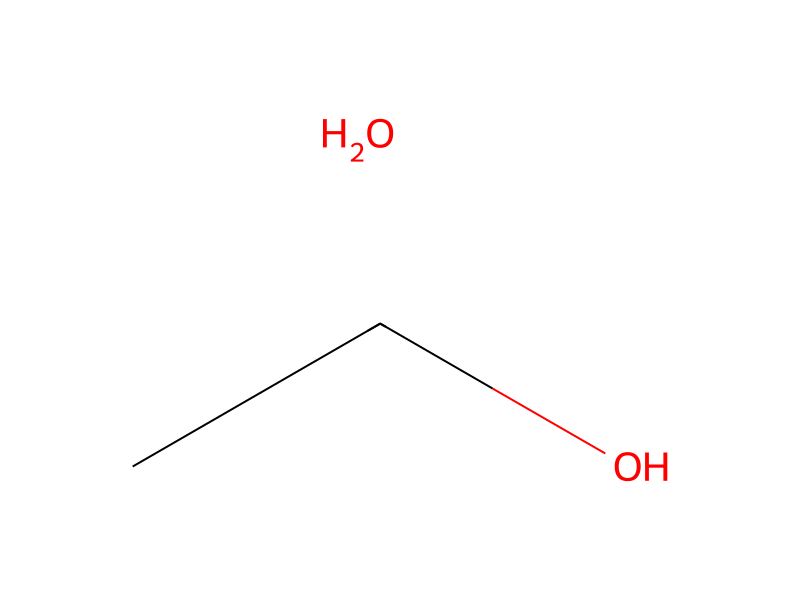
A 95:5 EtOH/H2O solution (5.0 mL) containing methyl 4-(4-chlorophenyl)-1H-pyrrole-2-carboxylate (120 mg, 0.51 mmol) and NaOH (1.53 mol) was refluxed for 2 h whereupon the EtOH was removed in vacuum. After removal of traces of EtOH by azotroping twice with water, acidification to pH 3 with 1 M HCl generated a white precipitate. The precipitate was collected by filtration, washed with water, and dried in vacuum to give 110 mg (98%) of the title compound as a white solid. MS (ESI) 222 (M+H)+.
Workup
- customwas removed in vacuum
- customAfter removal of traces of EtOH
- filtrationThe precipitate was collected by filtration
- washwashed with water
- customdried in vacuum
Sources & evidence
- ORD record
- ord-680f705feb554b23988157c552c4a4df
- Source dataset
- uspto-grants-2011_06
- Patent number
- US07956049B2
Reaction notes
Loading…