Hydrochloric Acid → 4-Bromo-1-(phenylsulfonyl)-1H-pyrrolo[2,3-B]pyridine
Reaction equation

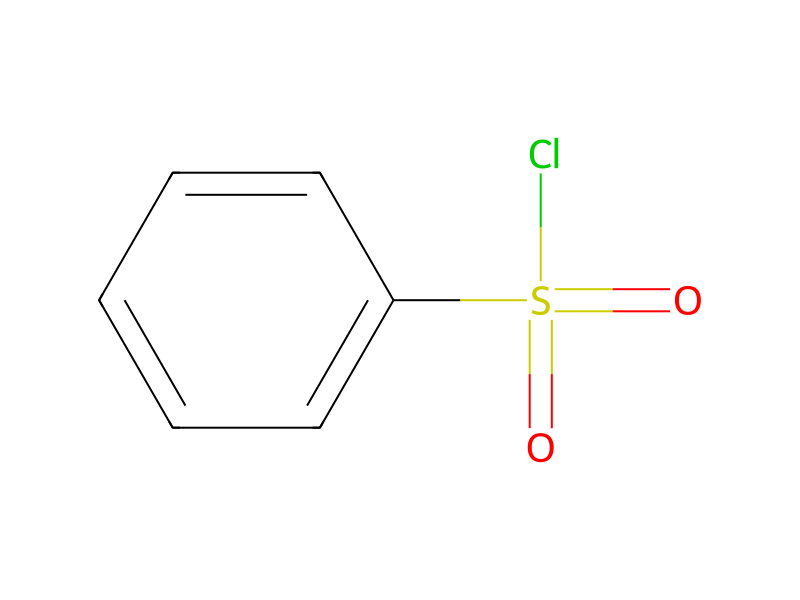
[H-].[Na+].[Br:3][C:4]1[CH:9]=[CH:8][N:7]=[C:6]2[NH:10][CH:11]=[CH:12][C:5]=12.[C:13]1([S:19](Cl)(=[O:21])=[O:20])[CH:18]=[CH:17][CH:16]=[CH:15][CH:14]=1.Cl>C1COCC1>[Br:3][C:4]1[CH:9]=[CH:8][N:7]=[C:6]2[N:10]([S:19]([C:13]3[CH:18]=[CH:17][CH:16]=[CH:15][CH:14]=3)(=[O:21])=[O:20])[CH:11]=[CH:12][C:5]=12Participants





Procedure
To a stirred suspension of sodium hydride (1.12 g; 60% dispersion in mineral oil) in THF (3 ml) kept below 15° C., a suspension of 4-bromo-1H-pyrrolo[2,3-b]pyridine (5 g) (prepared for example, according to the method described in Organic Letters, 2003, 5, 5023) in THF (27 ml) was added over 20 minutes. The reaction was left to stir for 10 minutes. Then a solution of benzenesulfonyl chloride (3.6 ml) in THF (6 ml) was added over 5 minutes. The reaction was left to stir at RT for 1 hour, then 0.5M hydrochloric acid solution (10 ml) was added. The layers were separated and the organic layer washed with brine, dried over magnesium sulphate and the solvent removed in vacuo and left on the vacuum line for 3 days. The solid was triturated using methanol (30 ml) then dried in the oven for 5 hours to give the title compound as a pale pink solid (7.42 g).
Workup
- customkept below 15° C.
- additionwas added over 20 minutes
- waitThe reaction was left
- waitThe reaction was left
- stirringto stir at RT for 1 hour
- customThe layers were separated
- washthe organic layer washed with brine
- dry with materialdried over magnesium sulphate
- customthe solvent removed in vacuo
- waitleft on the vacuum line for 3 days
- customThe solid was triturated
- customthen dried in the oven for 5 hours
Sources & evidence
- ORD record
- ord-4ff58cd282fd41cab3d51df3a7659611
- Source dataset
- uspto-grants-2014_02
- Patent number
- US08658635B2
Reaction notes
Loading…