Dichloromethane → HCID 59843359, compound
Reaction equation

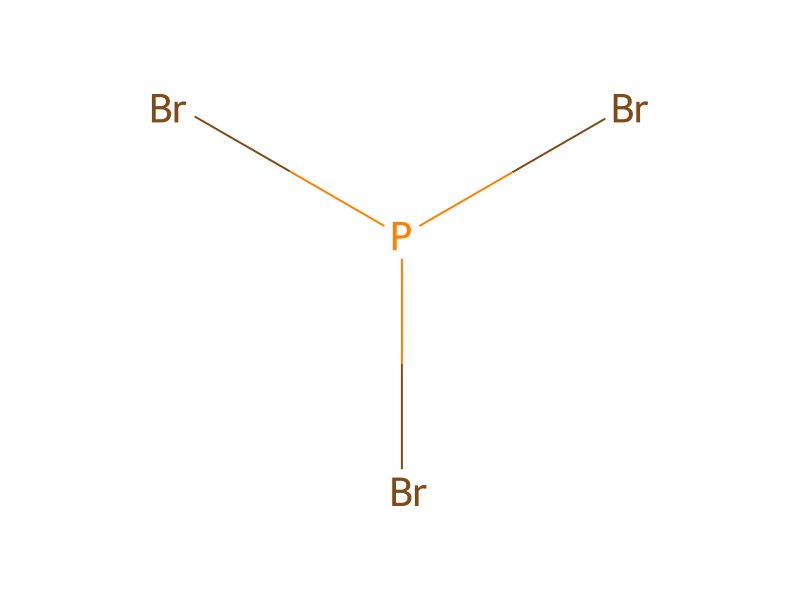
[F:1][C:2]1[CH:7]=[CH:6][C:5]([C:8]2[C:13]([CH2:14]O)=[C:12]([CH:16]([CH3:18])[CH3:17])[N:11]=[C:10]([S:19][CH3:20])[N:9]=2)=[CH:4][CH:3]=1.ClCCl.P(Br)(Br)[Br:25]>O>[F:1][C:2]1[CH:7]=[CH:6][C:5]([C:8]2[C:13]([CH2:14][Br:25])=[C:12]([CH:16]([CH3:18])[CH3:17])[N:11]=[C:10]([S:19][CH3:20])[N:9]=2)=[CH:4][CH:3]=1Participants
5




Procedure
14.6 g (50 mmol) of compound (9) and 200 ml of dichloromethane were added into a 500 mL three-neck round bottomed flask, equipped with a mechanical stirrer and a dropping funnel, followed by addition of 67 g (0.1 mol) of phosphorus tribromide dropwise at room temperature. After TLC assay showed that the starting compound (9) was depleted, 100 mL of water was added, and the organic layer was collected. The organic phase was then washed with 5% aqueous NaHCO3 solution, dried over anhydrous calcium chloride, and evaporated under reduced pressure to remove the solvent, obtaining 16 g raw product of compound (7), which was used directly in the next step without purification.
Workup
- customequipped with a mechanical stirrer and a dropping funnel
- customthe organic layer was collected
- washThe organic phase was then washed with 5% aqueous NaHCO3 solution
- dry with materialdried over anhydrous calcium chloride
- customevaporated under reduced pressure
- customto remove the solvent
Sources & evidence
- ORD record
- ord-70b6a49d0cbf47f19d2a0598113920bc
- Source dataset
- uspto-grants-2011_01
- Patent number
- US07872012B2
Reaction notes
Loading…