Ammonia → HCID 726139, compound
Reaction equation

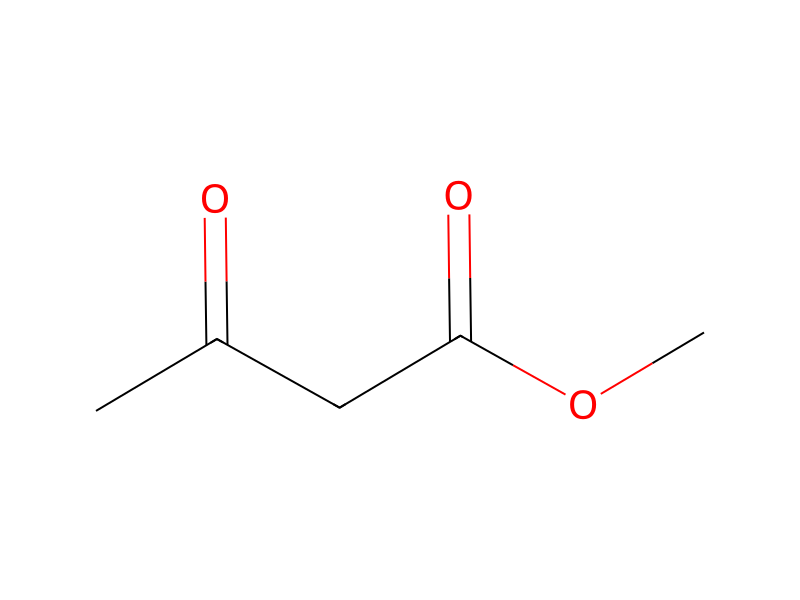
[NH3:1].[F:2][C:3]1[CH:10]=[CH:9][CH:8]=[CH:7][C:4]=1[CH:5]=O.[C:11]([O:17][CH3:18])(=[O:16])[CH2:12][C:13]([CH3:15])=O>CO>[F:2][C:3]1[CH:10]=[CH:9][CH:8]=[CH:7][C:4]=1[C:5]1[C:12]([C:11]([OH:17])=[O:16])=[C:13]([CH3:15])[N:1]=[C:13]([CH3:15])[C:12]=1[C:11]([OH:17])=[O:16].[F:2][C:3]1[CH:10]=[CH:9][CH:8]=[CH:7][C:4]=1[CH:5]1[C:12]([C:11]([O:17][CH3:18])=[O:16])=[C:13]([CH3:15])[NH:1][C:13]([CH3:15])=[C:12]1[C:11]([O:17][CH3:18])=[O:16]Participants
6
Reactant 3


Product 2


Reagents, catalysts & solvents 1

Procedure
As shown hereinbelow in Example 1, the intermediate 4-(2-fluorophenyl)-2,6-dimethyl-3,5-pyridinedicarboxylic acid was prepared in very good yield by first adding concentrated aqueous ammonia to a mixture of 2-fluorobenzaldehyde and methyl acetoacetate in methanol to produce dimethyl 4-(2-fluorophenyl)-1,4-dihyro-2,6-dimethyl-3,5-pyridinedicarboxylate, oxidizing the 1,4-dihydro compound with 4N nitric acid to produce dimethyl 4-(2-fluorophenyl)-2,6-dimethyl-3,5-pyridinedicarboxylate and saponifying the latter ester by heating it with sodium hydroxide in aqueous methanol at about 60°-65° C. to produce 4-(2-fluorophenyl)-2,6-dimethyl-3,5-pyridinedicarboxylic acid.
Workup
- customin very good yield
Sources & evidence
- ORD record
- ord-661c2e6dfc964ec7b6f13be3edf1883c
- Source dataset
- uspto-grants-1987_10
- Patent number
- US04699984
Reaction notes
Loading…