4-Fluorobenzene-1,2-dicarboxylic acid → 1,3-Isobenzofurandione, 5-fluoro-
Reaction equation

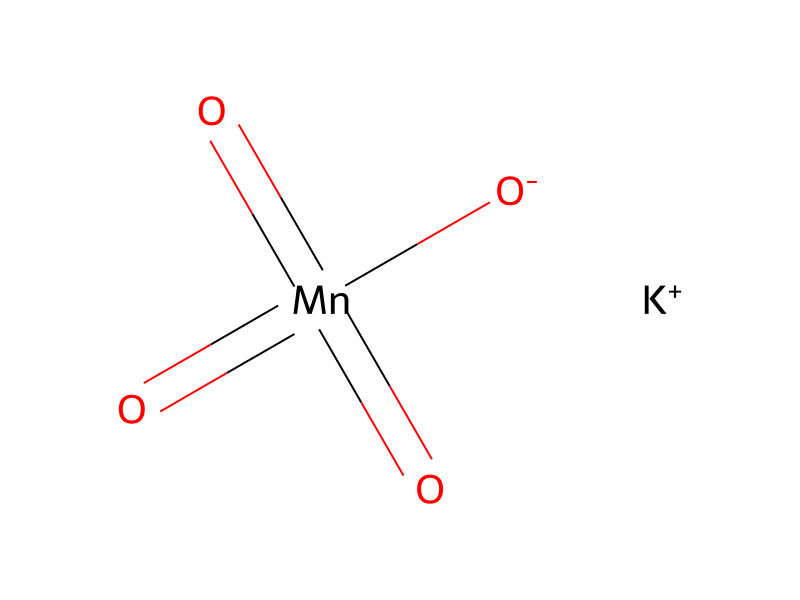
[Mn]([O-])(=O)(=O)=O.[K+].[F:7][C:8]1[CH:9]=[C:10]([C:17]([OH:19])=[O:18])[C:11](=[CH:15][CH:16]=1)[C:12]([OH:14])=O.[K]>>[F:7][C:8]1[CH:9]=[C:10]2[C:17](=[O:18])[O:19][C:12](=[O:14])[C:11]2=[CH:15][CH:16]=1Participants
4


Procedure
Diazotization (i) and conversion (ii) to the tetrafluoroborate followed by pyrolysis in benezene of that derivative (Balz-Schieman reaction) gives 3,4-dimethylfluorobenzene. This is oxidized by aqueous potassium permanganate to 4-fluorophthalic acid, monopotassium salt. Vacuum distillation of the latter in the presence of sulfuric acid yields 4-fluorophthalic anhydride. Treatment of the anhydride with urea in boiling chlorobenzene yields the imide which is converted with concentrated ammonium hydroxide to the diamide. Finally, dehydration of the diamide with thionyl chloride in dimethylformamide gives 4-fluorophthalonitrile.
Workup
- distillationVacuum distillation of the latter in the presence of sulfuric acid
Sources & evidence
- ORD record
- ord-6c66da9abd3f463688415b93ca7b11eb
- Source dataset
- uspto-grants-1987_10
- Patent number
- US04701396
Reaction notes
Loading…