Water → 4-(Chloromethyl)-1,3-thiazole
Reaction equation

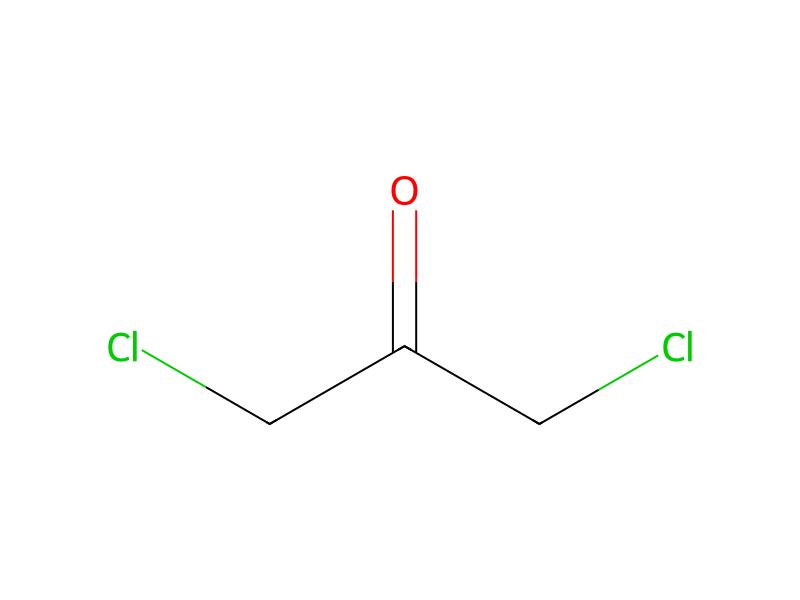
C1(C)C=CC(S(OC([C:13]2[N:14]=[C:15]([C:21](=[S:23])[NH2:22])[NH:16][C:17]=2[N+:18]([O-:20])=[O:19])C)(=O)=O)=CC=1.[Cl:25][CH2:26][C:27]([CH2:29]Cl)=O.O.O1CCOC[CH2:33]1>>[CH3:33][N:16]1[C:17]([N+:18]([O-:20])=[O:19])=[CH:13][N:14]=[C:15]1[C:21]1[S:23][CH:29]=[C:27]([CH2:26][Cl:25])[N:22]=1.[Cl:25][CH2:26][C:15]1[N:14]=[CH:13][S:23][CH:21]=1Participants
6




Conditions
- Temperature
- 130 °C
Procedure
The 2-thiocarbamyl compounds from Example 1 (0.27 mole) and 1,3-dichloroacetone (0.55 mole) in dioxan (55 ml.) were stirred and heated at 130° C. for 2 hours. The mixture was poured into water, the resultant precipitate washed with hot water and dried to yield 2-(1-methyl-5-nitroimidazol-2-yl)-4-chloromethylthiazole m.p. 160°-2° C. and 2-(1-p-toluenesulphonyloxyethyl)-5-nitroimidazol-2-yl)-4-chloromethylthiazole respectively. The 1-p-toluenesulphonyloxy compound, on treatment as described at the end of Example 2, yielded 2-(1-vinyl-5-nitroimidazol-2-yl)-4-chloromethylthiazole.
Workup
- washthe resultant precipitate washed with hot water
- customdried
Sources & evidence
- ORD record
- ord-441c113a41b748f4b95f9d1ba58b47bf
- Source dataset
- uspto-grants-1977_07
- Patent number
- US04035390
Reaction notes
Loading…