Bromide ion → HCID 12340648, compound
Reaction equation

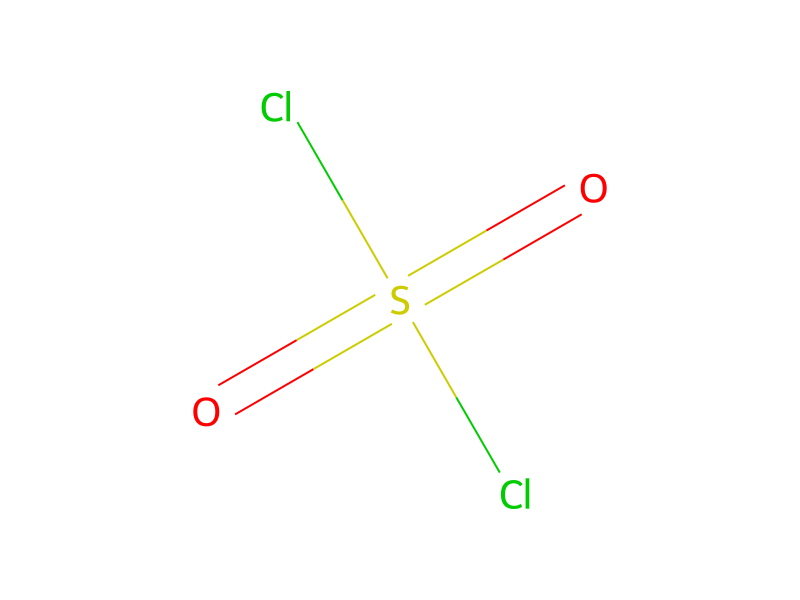
S(Cl)([Cl:4])(=O)=O.[Br-].[CH3:7][O:8][C:9](=[O:28])[CH2:10][C:11]1([CH3:27])[C:16]2=[CH:17][CH:18]=[CH:19][N:15]2[C:14]2[CH:20]=[C:21]([N+:24]([O-:26])=[O:25])[CH:22]=[CH:23][C:13]=2[O:12]1>>[CH3:7][O:8][C:9](=[O:28])[CH2:10][C:11]1([CH3:27])[C:16]2=[CH:17][CH:18]=[C:19]([Cl:4])[N:15]2[C:14]2[CH:20]=[C:21]([N+:24]([O-:26])=[O:25])[CH:22]=[CH:23][C:13]=2[O:12]1Participants
4



Procedure
By following the procedure of Example 75 but using as a starting material the appropriate starting material of formula 3, for example those described in Examples 2 to 41 or the appropriate starting material of formula 1, for example, those described in Examples 42 to 69, together with the appropriate nucleophilic reagent, for instance, sulfuryl chloride or bromide, respective compounds of formulae 3 and 1 in which R2 is halogen are obtained. More specifically exemplified, the use of 4-methyl-8-nitro-4H-pyrrolo-[2,1-c][1,4]benzoxazine-4-acetic acid methyl ester, described in Example 2 gives 1-chloro-4-methyl-8-nitro-4H-pyrrolo[2,1-c][1,4]-benzoxazine-4-acetic acid methyl ester, m.p. 124° - 125° C.
Workup
- customare obtained
Sources & evidence
- ORD record
- ord-2916d37bed4a4c90a0233e81b9f2fb37
- Source dataset
- uspto-grants-1977_07
- Patent number
- US04035495
Reaction notes
Loading…