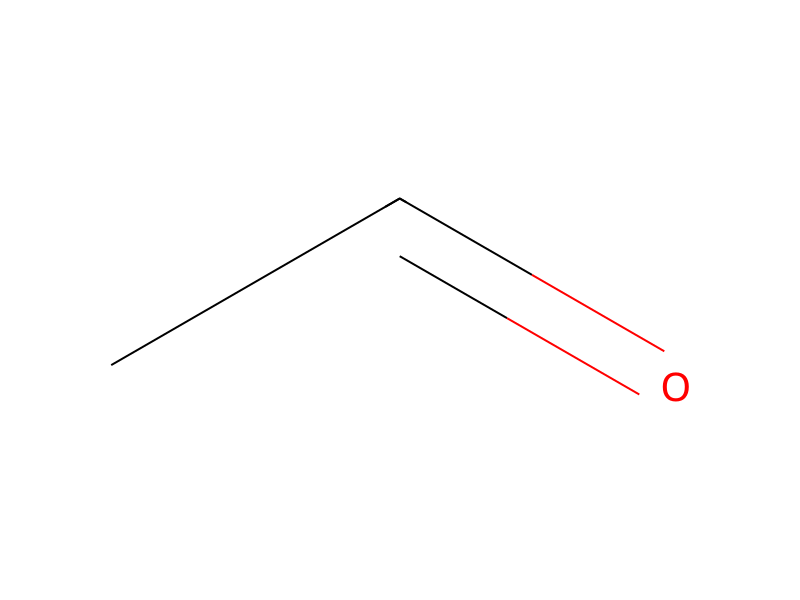
Acetaldehyde → 1-(3,4-Methylenedioxyphenyl)-2-ethylaminoethanol hydrochloride
Reaction equation

[ClH:1].[CH2:2]1[O:10][C:9]2[CH:8]=[CH:7][C:6]([CH:11]([OH:14])[CH2:12][NH2:13])=[CH:5][C:4]=2[O:3]1.[CH:15](=O)[CH3:16].[H][H]>[Ni].C(O)C>[ClH:1].[CH2:2]1[O:10][C:9]2[CH:8]=[CH:7][C:6]([CH:11]([OH:14])[CH2:12][NH:13][CH2:15][CH3:16])=[CH:5][C:4]=2[O:3]1Participants
6





Procedure
18 g. of 1-(3,4-methylenedioxyphenyl)-2-aminoethanol hydrochloride are dissolved in 300 ml. of ethanol and 50 ml. of 80% aqueous solution of acetaldehyde. To the resulting solution are added 0.5 g. of extended Raney nickel and the mixture is heated at 70° C. in an atmosphere of hydrogen in a 1 liter-autoclave. After the absorption of hydrogen is complete, the mixture is cooled. Then the catalyst is filtered off and the filtrate is concentrated to dryness. Upon recrystallization of the crude crystalline residue from isopropyl alcohol, 12.5 g. of 1-(3,4-methylenedioxyphenyl)-2-ethylaminoethanol hydrochloride are obtained as white needles.
Workup
- additionTo the resulting solution are added 0.5 g
- customAfter the absorption of hydrogen
- temperaturethe mixture is cooled
- filtrationThen the catalyst is filtered off
- concentrationthe filtrate is concentrated to dryness
- customUpon recrystallization of the crude crystalline residue from isopropyl alcohol, 12.5 g
Sources & evidence
- ORD record
- ord-551580bfd33349668c8de1563891ed34
- Source dataset
- uspto-grants-1979_04
- Patent number
- US04147799
Reaction notes
Loading…