Chloroform → 7-(2-Hydroxyethyl)-2-nitro-3-phenylbenzofuran
Reaction equation

Br[C:2]1[O:3][C:4]2[C:16]([CH2:17][CH2:18][OH:19])=[CH:15][CH:14]=[CH:13][C:5]=2[C:6]=1[C:7]1[CH:12]=[CH:11][CH:10]=[CH:9][CH:8]=1.C1(C(O)=O)CC=CCC1.C(Cl)(Cl)Cl.[N+:33]([O-:38])([N+]([O-])=O)=[O:34]>O>[OH:19][CH2:18][CH2:17][C:16]1[C:4]2[O:3][C:2]([N+:33]([O-:38])=[O:34])=[C:6]([C:7]3[CH:12]=[CH:11][CH:10]=[CH:9][CH:8]=3)[C:5]=2[CH:13]=[CH:14][CH:15]=1Participants


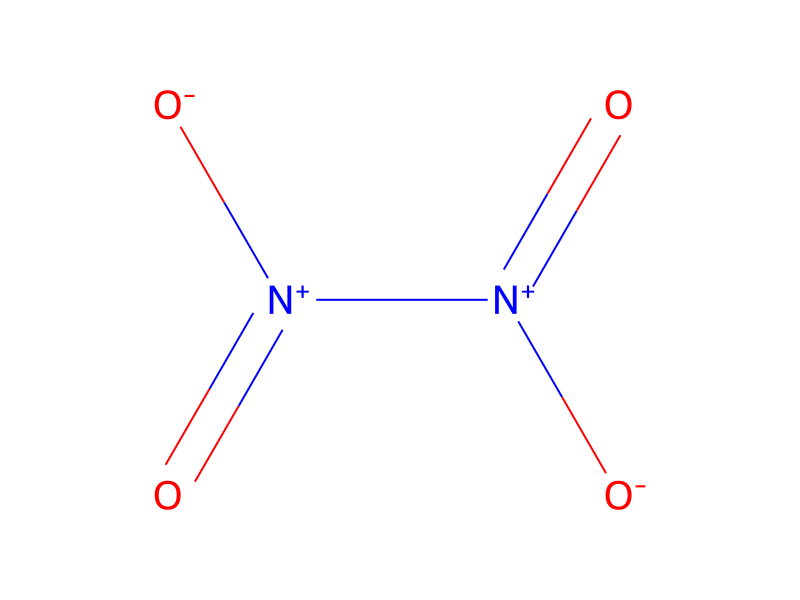



Conditions
- Temperature
- 45 °C
Procedure
To a stirred mixture of 28.6 g. (0.0904 mole) of 2-bromo-7-(2-hydroxyethyl)-3-phenylbenzofuran (the product of step A, Example 5) and 15.1 g. of 4-cyclohexenecarboxylic acid in 250 ml. of chloroform is added dropwise 10.8 g. (0.118 mole) of dinitrogen tetraoxide in 30 ml. of chloroform. After 16 hours, 7 g. of dinitrogen tetraoxide and 5 g. of 4-cyclohexenecarboxylic acid in 30 ml. of chloroform are added, and the mixture is heated at 45° C. for four hours. Water is added to the mixture, the chloroform layer is separated and washed with water, then thrice with sodium bicarbonate solution, thrice with water, once with saturated sodium chloride solution and dried. Evaporation provides a yellow residue. Thin layer chromatographic analysis shows two main products. This residue is recrystallized from 50/50 ethanol/water, then again from carbon tetrachloride to yield 7-(2-hydroxyethyl)-2-nitro-3-phenylbenzofuran as a yellow solid, m.p. 133.5°-136° C.
Workup
- additionTo a stirred mixture of 28.6 g
- customthe chloroform layer is separated
- washwashed with water
- dry with materialthrice with sodium bicarbonate solution, thrice with water, once with saturated sodium chloride solution and dried
- customEvaporation
- customprovides a yellow residue
- customThis residue is recrystallized from 50/50 ethanol/water
Sources & evidence
- ORD record
- ord-6ef475404930449eabcfa783d1aacdca
- Source dataset
- uspto-grants-1979_05
- Patent number
- US04153716
Reaction notes
Loading…