Acetic Acid → HCID 12902865, compound
Reaction equation

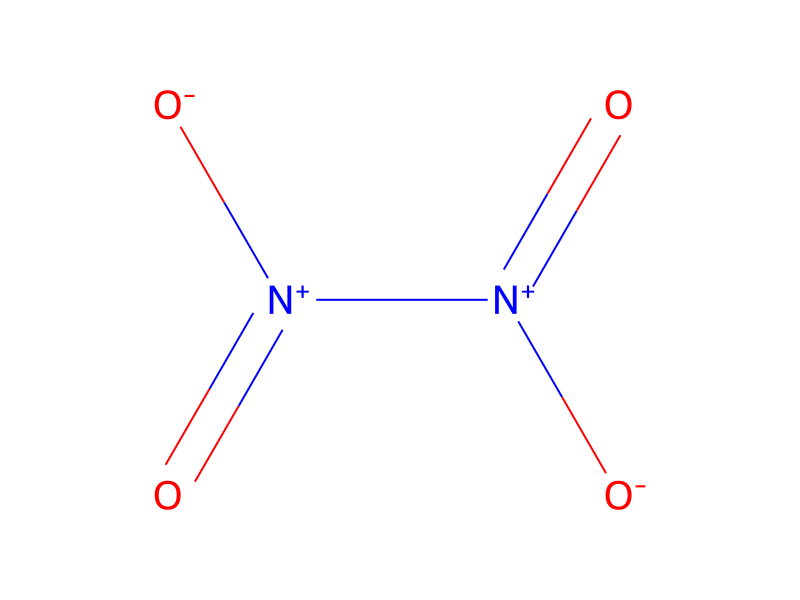
[C:1]1([C:7]2[CH:8]=[CH:9][C:10]3[O:14][CH:13]=[C:12]([C:15]4[CH:23]=[CH:22][C:18]([C:19]([OH:21])=[O:20])=[CH:17][CH:16]=4)[C:11]=3[CH:24]=2)[CH:6]=[CH:5][CH:4]=[CH:3][CH:2]=1.[N+:25]([O-:30])([N+]([O-])=O)=[O:26].C(O)(=O)C>ClCCl>[N+:25]([C:13]1[O:14][C:10]2[CH:9]=[CH:8][C:7]([C:1]3[CH:2]=[CH:3][CH:4]=[CH:5][CH:6]=3)=[CH:24][C:11]=2[C:12]=1[C:15]1[CH:16]=[CH:17][C:18]([C:19]([OH:21])=[O:20])=[CH:22][CH:23]=1)([O-:30])=[O:26]Participants
5
Reactant 3


Product 1

Reagents, catalysts & solvents 1

Procedure
A mixture of 3.2 g. of the product of step D, 2 g. of dinitrogen tetraoxide, 1 ml. of acetic acid and 200 ml. of dichloromethane is stirred at 20° C. for 16 hours, washed with water and evaporated. The residue is treated with cold 5 percent sodium hydroxide solution, then acidified with 6N hydrochloric acid. The solid residue is separated and recrystallized from N,N-dimethylformamide to provide 4-(2-nitro-5-phenylbenzofuran-3-yl)benzoic acid, m.p. 235°-249° C.
Workup
- additionA mixture of 3.2 g
- washwashed with water
- customevaporated
- additionThe residue is treated with cold 5 percent sodium hydroxide solution
- customThe solid residue is separated
- customrecrystallized from N,N-dimethylformamide
Sources & evidence
- ORD record
- ord-998572f4a8fb42e1b89be333120304cb
- Source dataset
- uspto-grants-1979_05
- Patent number
- US04153721
Reaction notes
Loading…