Phenylphosphonic Acid → Adipic Acid
Reaction equation

[C:1]([O-:10])(=[O:9])[CH2:2][CH2:3][CH2:4][CH2:5][C:6]([O-:8])=[O:7].[NH3+]CCCCCC[NH3+].C1(P(=O)(O)O)C=CC=CC=1.NCCCCCCN>O>[C:1]([OH:10])(=[O:9])[CH2:2][CH2:3][CH2:4][CH2:5][C:6]([OH:8])=[O:7]Participants
5
Reactant 3

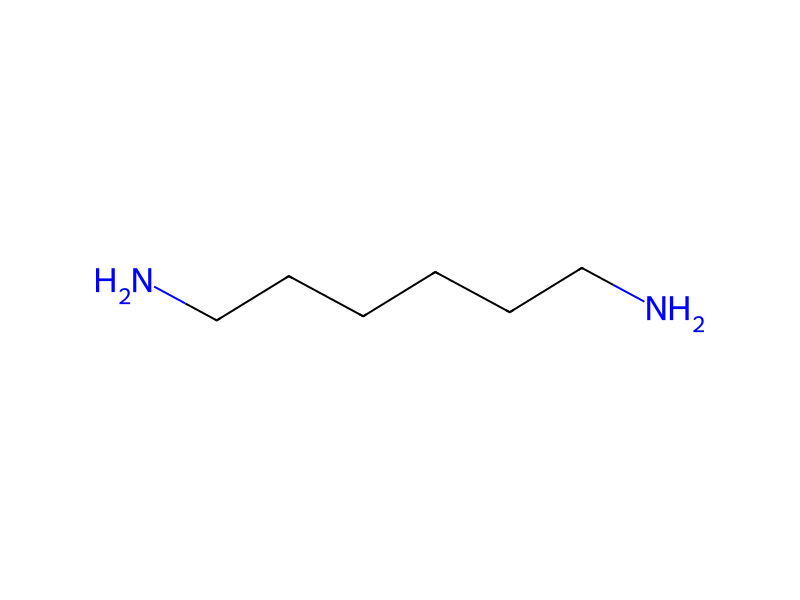

Product 1
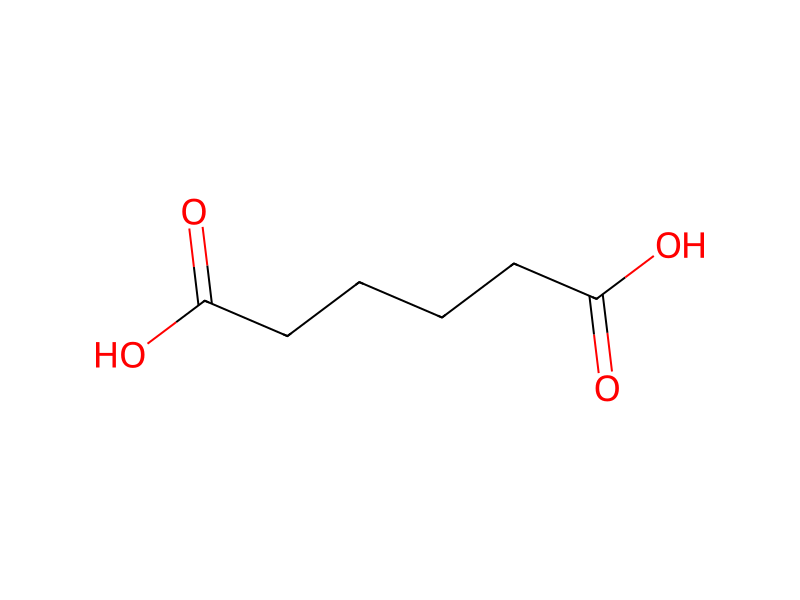
Reagents, catalysts & solvents 1

Procedure
A mixture of 100 parts of hexamethylene diammonium adipate, 0.65 part of phenylphosphonic acid, 0.48 part of hexamethylenediamine, 0.65 part of N:N'-bis(3-aminopropyl)piperazine, 0.46 part of adipic acid and 65.0 parts of water is polymerised using the conditions described in Example 1. The resulting polymer is then converted into fibres by known methods. The dye uptake of these fibres from dyebaths containing Solway Blue BN at pH's of 4.0, 7.0 and 9.0 are 8.4%, 4.7% and 1.5% respectively, compared with 4.2%, 0.6% and 0.1% for fibres prepared as described in this Example except that the phenylphosphonic acid and hexamethylenediamine were omitted from the mixture.
Workup
- additionThe dye uptake of these fibres from dyebaths containing Solway Blue BN at pH's of 4.0, 7.0 and 9.0
- customprepared
Sources & evidence
- ORD record
- ord-e71604194418479ea58f3e9332e592d0
- Source dataset
- uspto-grants-1976_03
- Patent number
- US03944518
Reaction notes
Loading…