Benzene → Benzenesulfonic Acid
Reaction equation

C(OC(=O)C)(=O)C.[S:8](=[O:11])(=[O:10])=[O:9].[CH:12]1[CH:17]=[CH:16][CH:15]=[CH:14][CH:13]=1>>[C:12]1([S:8]([OH:11])(=[O:10])=[O:9])[CH:17]=[CH:16][CH:15]=[CH:14][CH:13]=1Participants


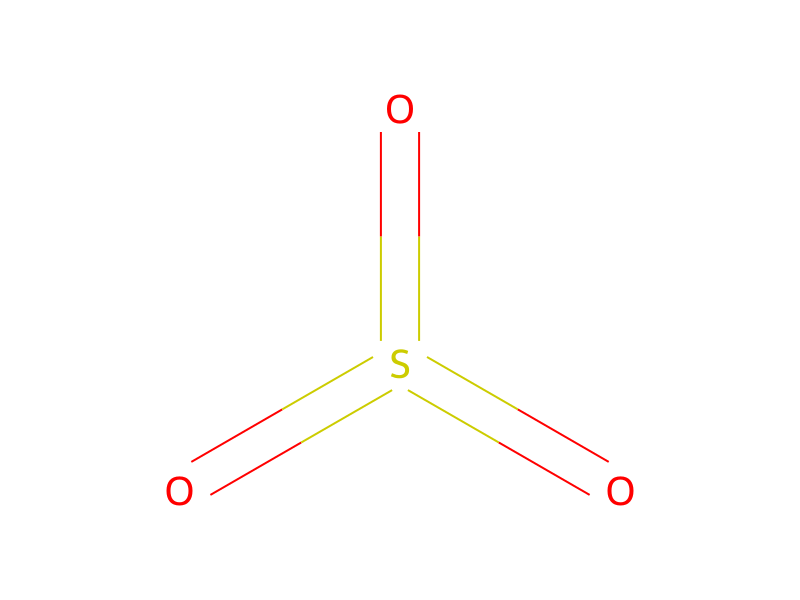

Conditions
- Temperature
- 40 °C
Procedure
Mono-sulfonation of benzene was carried out in the apparatus of FIG. 1. Dry benzene (390 g., 5 gram molecules) was placed in the three-necked reaction flask (1 litre capacity) together with acetic anhydride (1 g) which was added to suppress sulfone formation. The reaction flask was heated to 40°C and the pressure gradually reduced until the benzene refluxed vigorously at 400 mm Hg. The sulfur trioxide generator was charged with liquid, stabilized sulfur trioxide (200 g, 2.5 gram molecules) and the two flasks were connected to allow the sulfur trioxide to be aspirated into the reaction flask. External heating of the reaction flask was discontinued but the trioxide generator was gently warmed to maintain an internal temperature of 30°C to aid evaporation. The reaction was completed when all the sulfur trioxide had been evaporated from the generator and had passed into the reaction vessel. At this point reflux ceased. Anhydrous benzene sulfonic acid was isolated by distilling off the excess benzene in vacuo, leaving a light amber coloured oil which crystallized slowly when kept in a desiccator over concentrated sulfuric acid. The sulfonic acid was contaminated by 0.2% sulfuric acid and 1.5% diphenyl sulfone. The yield was 98% calculated with respect to the amount of sulfur trioxide employed.
Workup
- additionwas added
- temperaturerefluxed vigorously at 400 mm Hg
- temperatureExternal heating of the reaction flask
- temperatureto maintain an internal temperature of 30°C
- customevaporation
- customhad been evaporated from the generator
- temperatureAt this point reflux
Sources & evidence
- ORD record
- ord-1395ddec76574d8889c698053831e211
- Source dataset
- uspto-grants-1976_03
- Patent number
- US03946037
Reaction notes
Loading…