Acrylonitrile → HCID 14251393, compound
Reaction equation

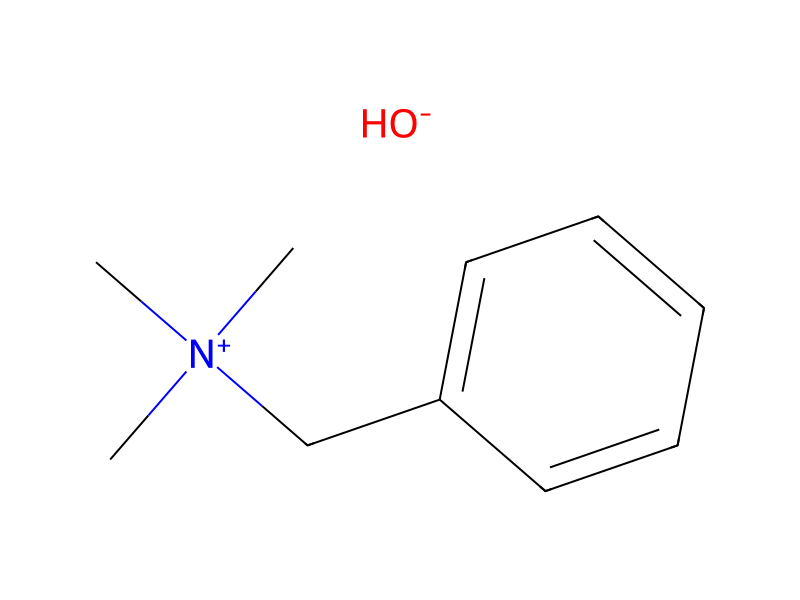
[N+:1]([C:4]1[CH:5]=[CH:6][C:7]2[NH:8][C:9]3[C:14]([C:15]=2[CH:16]=1)=[CH:13][CH:12]=[CH:11][CH:10]=3)([O-:3])=[O:2].[C:17](#[N:20])[CH:18]=[CH2:19]>C1C=CC=CC=1.[OH-].C([N+](C)(C)C)C1C=CC=CC=1>[C:17]([CH2:18][CH2:19][N:8]1[C:7]2[CH:6]=[CH:5][C:4]([N+:1]([O-:3])=[O:2])=[CH:16][C:15]=2[C:14]2[C:9]1=[CH:10][CH:11]=[CH:12][CH:13]=2)#[N:20]Participants
5
Reactant 2


Product 1

Reagents, catalysts & solvents 2

Conditions
- Temperature
- 50 °C
Procedure
21.2 g (0.1 mol) 3-nitrocarbazole were suspended in 250 ml benzene in a three-necked flask equipped with stirrer, condenser and thermometer and present in an oil-bath, then mixed with 50 ml acrylonitrile, heated to 50°C and, after the addition of two drops of benzyl trimethyl ammonium hydroxide, reacted for two hours at 70°C, while stirring. After evaporation of the reaction mixture and recrystallization of the residue from aqueous acetone, there were obtained 22 g 9-(β-cyanoethyl)-3-nitrocarbazole, which was further worked up directly.
Workup
- customequipped with stirrer, condenser
- customthermometer and present in an oil-bath
- customreacted for two hours at 70°C
- customAfter evaporation of the reaction mixture and recrystallization of the residue from aqueous acetone
Sources & evidence
- ORD record
- ord-30bb131a184e42c2a00676ab1349d316
- Source dataset
- uspto-grants-1976_03
- Patent number
- US03947377
Reaction notes
Loading…