Aniline → Triphenylamine
Reaction equation

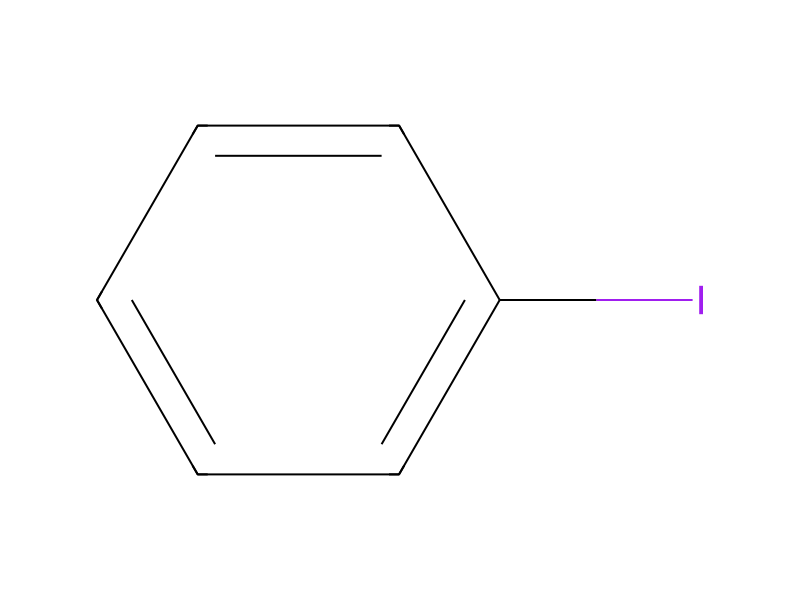
C(=O)([O-])[O-].[Na+].[Na+].[NH2:7][C:8]1[CH:13]=[CH:12][CH:11]=[CH:10][CH:9]=1.I[C:15]1[CH:20]=[CH:19][CH:18]=[CH:17][CH:16]=1>[Cu].C1(C)C=CC=CC=1>[C:8]1([N:7]([C:8]2[CH:13]=[CH:12][CH:11]=[CH:10][CH:9]=2)[C:15]2[CH:20]=[CH:19][CH:18]=[CH:17][CH:16]=2)[CH:13]=[CH:12][CH:11]=[CH:10][CH:9]=1Participants
Reactant 3


Product 1

Reagents, catalysts & solvents 2


Procedure
That is, in a two-neck flask of 500 ml in volume, 152.0 g anhydrous sodium carbonate (1.10 mol) and 9.5 g powdery copper (0.15 mol) were added and then heated for 2 hours while stirring to uniform. Subsequently, after cooling to room temperature, the solution was added with 67.6 g of an aniline compound (0.5 mol) represented by the formula (49) described below and 305.9 g of iodobenzene (1.5 mol) and then heated again to 220° C. to allow the reaction for 2.5 hours. After that, the solution was cooled to room temperature and then added with 100 ml toluene, followed by filtration. The resulting residue was dissolved in toluene and dried over activated clay. After that, the residue was dissolved in toluene and then added with methanol to crystallization. Then, the residue was dissolved in toluene again and added with methanol to crystalline and the resulting residue was followed by filtration and dried to form crystal. Subsequently, the resulting crystal was purified through silica gel column chromatography (developing solvent: chloroform/hexane solvent), thereby obtaining 79.3 g of a triphenylamine derivative compound represented by the general formula (50) (yields: 55.2%).
Workup
- additionwere added
- temperatureheated for 2 hours
- temperatureheated again to 220° C.
- customthe reaction for 2.5 hours
- temperatureAfter that, the solution was cooled to room temperature
- filtrationfollowed by filtration
- dissolutionThe resulting residue was dissolved in toluene
- customdried over activated clay
- dissolutionAfter that, the residue was dissolved in toluene
- additionadded with methanol to crystallization
- dissolutionThen, the residue was dissolved in toluene again
- additionadded with methanol to crystalline and the resulting residue
- filtrationwas followed by filtration
- customdried
- customto form crystal
- customSubsequently, the resulting crystal was purified through silica gel column chromatography (developing solvent: chloroform/hexane solvent)
Sources & evidence
- ORD record
- ord-d092edf406704ca494fd2f9129522dbb
- Source dataset
- uspto-grants-2008_11
- Patent number
- US07449602B2
Reaction notes
Loading…