Acetic Anhydride → HCID 85437380, compound
Reaction equation

[Cl:1][C:2]1[CH:7]=[CH:6][CH:5]=[CH:4][C:3]=1[C:8](=[O:14])[CH2:9][C:10]([O:12][CH3:13])=[O:11].[CH2:15]([O:17][CH:18](OCC)OCC)[CH3:16].[C:25](OC(=O)C)(=O)C>>[Cl:1][C:2]1[CH:7]=[CH:6][CH:5]=[CH:4][C:3]=1[C:8]([C:9](=[CH:18][O:17][CH2:15][CH3:16])[C:10]([O:12][CH2:13][CH3:25])=[O:11])=[O:14]Participants
4

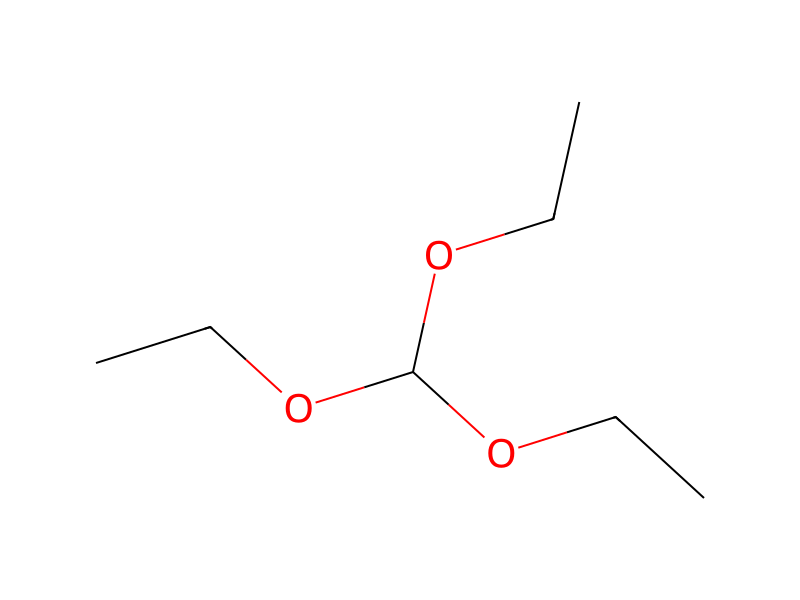


Conditions
- Temperature
- 130 °C
Procedure
To a flask containing 3-(2-chlorophenyl)-3-oxo-propionic acid, methyl ester (20 g, 94 mmol) was added triethylorthoformate (37.5 mL, 225.6 mmol) and acetic anhydride (63 mL, 667 mmol). The resulting mixture was heated to 130° C. with stirring for a total of 2 hours, then stirred over night at room temperature. The reaction mixture was concentrated under reduced pressure to provide a crude oil, which was used directly in the next step.
Workup
- stirringstirred over night at room temperature
- concentrationThe reaction mixture was concentrated under reduced pressure
- customto provide a crude oil, which
Sources & evidence
- ORD record
- ord-e5bd7a91dc5b4c91be5a334bdbf82cd0
- Source dataset
- uspto-grants-2008_11
- Patent number
- US07452880B2
Reaction notes
Loading…