Ethanolamine → HCID 18316394, compound
Reaction equation

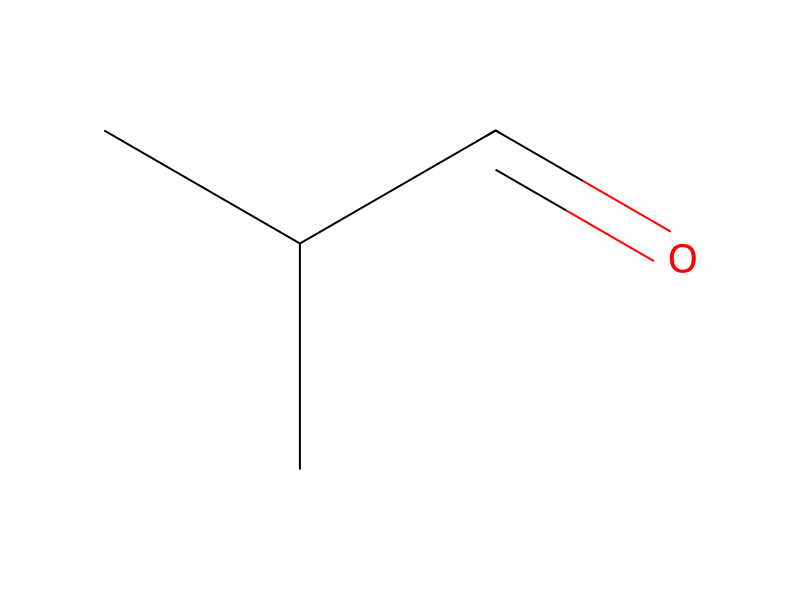
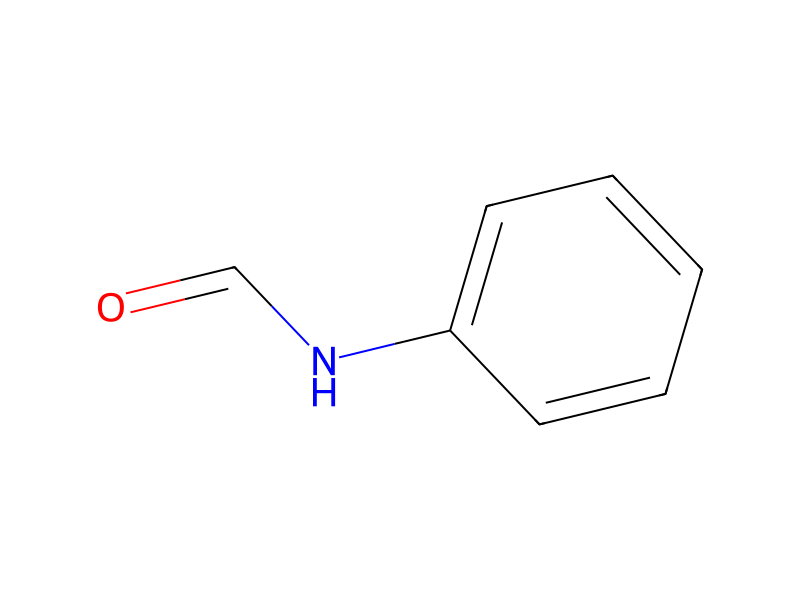
[CH3:1][C:2]1[CH:8]=C([N+]([O-])=O)C=C[C:3]=1N.C(NC1C=CC=CC=1)=O.[NH2:21][C:22]1([C:28]([OH:30])=O)[CH2:27][CH2:26][CH2:25][O:24][CH2:23]1.NC1(C(OC)=O)CCCOC1.NC1(CO)CCCOC1.OCCN.C(=O)C(C)C>>[CH:2]([CH:8]1[O:30][CH2:28][C:22]2([CH2:27][CH2:26][CH2:25][O:24][CH2:23]2)[NH:21]1)([CH3:3])[CH3:1]Participants




Procedure
2-Methyl-4-nitroaniline was converted to the 2-methyl-4-nitroformanilide according to Method A3a, Step 1. The formanilide was converted to 2-methyl-4-nitrophenyl isocyanide dichloride according to Method A3a, Step 2. 3-Aminotetrahydro-2H-pyran-3-carboxylic acid was converted to the methyl ester according to Method B1b, Step 1. Methyl 3-aminotetrahydro-2H-pyran-3-carboxylate was reduced to 3-amino-3-(hydroxymethyl)tetrahydro-2H-pyran according to Method B1b, Step 2. The 2-hydroxyethylamine was reacted with isobutyraldehyde according to Method B4c, Step 1 to afford 2-isopropyl-1-aza-3,7-dioxaspiro[4.5]decane. The oxazolidine was reduced to 3-isobutylamino-3-(hydroxymethyl)tetrahydro-2H-pyran. The substituted 2-hydroxyethylamine was converted to 3-isobutylamino-3-(acetylthiomethyl)tetrahydro-2H-pyran according to Method C6c, Step 1. The thioacetate was saponified according to Method C6c, Step 2 to give 3-isobutylamino-3-(thiomethyl)tetrahydro-2H-pyran. The 2-thioethylamine was reacted with 2-methyl-4-nitrophenyl isocyanide dichloride to afford 2-(2-methyl-4-nitrophenylimino-1-isobutyl-1-aza-7-oxa-3-thiaspiro[4.5]decane.
Sources & evidence
- ORD record
- ord-9b2f65cc1c1b47a98ae576289fc14ac8
- Source dataset
- uspto-grants-2002_03
- Patent number
- US06353006B1
Reaction notes
Loading…