Pyridine → HCID 22625143, compound
Reaction equation

O[CH:2]([CH2:18][CH2:19][CH3:20])[CH2:3][CH2:4][CH2:5][CH2:6][CH2:7][CH2:8][CH2:9][CH2:10][S:11][CH2:12][CH2:13][C:14]([O:16][CH3:17])=[O:15].[C:21]1([S:27](Cl)(=[O:29])=[O:28])[CH:26]=[CH:25][CH:24]=[CH:23][CH:22]=1.N1C=CC=CC=1.CCCCCC.CC[O:45]CC>>[C:21]1([S:27]([O:29][CH:3]([CH2:2][CH2:18][CH2:19][CH3:20])[CH2:4][CH2:5][CH2:6][CH2:7][CH2:8][CH2:9][CH2:10][S:11][CH2:12][CH2:13][C:14]([O:16][CH3:17])=[O:15])(=[O:45])=[O:28])[CH:26]=[CH:25][CH:24]=[CH:23][CH:22]=1Participants
5



Procedure
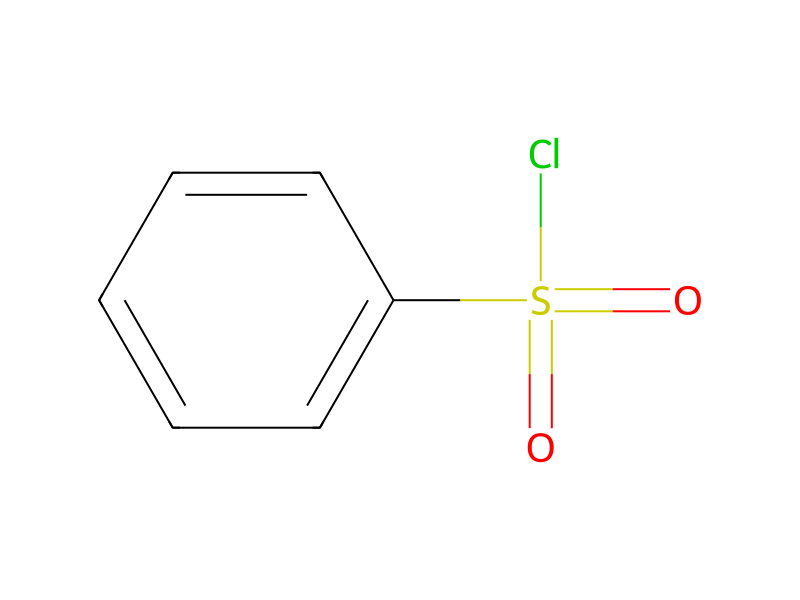
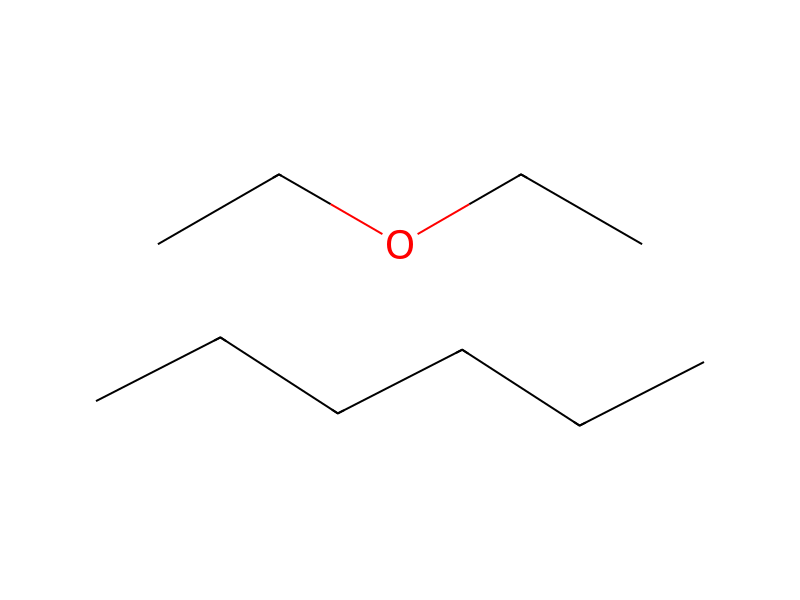
Compound 7 (0.83 g, 2.7 mmol) was caused to react with benzenesulfonylchloride (0.45 ml, 3.5 mmol) and pyridine (3.5 mmol) in CHCl2 (20 mL) at 5° C. for 20 hr. The mixture was ice-diluted HCl, and the organic layer separated, dried (MgSO4 and evaporated under reduced pressure. The product 8 (1.0 g. 83% yield) was isolated as an oil by column chromatography (hexane/ether 1:1). TLC (hexane/ether 1:1) Rf=0.5. 1H-NMR δ0.82 (t, 3H, C(16)H2), 1.4 (m, 18H, CH2), 2.52 (t, 2H, C(2)H2), 2.62 (t, 2H, C(5)H2), 2.78 (t, 2H, C(3)H23.70 (s, 3H, —COO—CH3), 4.60 (m, 1H, C(13)H), 7.7 (m, 5H, aryl).
Workup
- customthe organic layer separated
- dry with materialdried (MgSO4
- customevaporated under reduced pressure
Sources & evidence
- ORD record
- ord-d9a920b25832415ea8c78427c0630267
- Source dataset
- uspto-grants-2002_03
- Patent number
- US06362352B1
Reaction notes
Loading…