Acetaldehyde → 3-Acetylpyridine
Reaction equation

C1(C=[CH:8][C:9]([C:11]2[CH:16]=C[CH:14]=[CH:13][CH:12]=2)=[O:10])C=CC=CC=1.[Li].C(=O)C.C(#[N:23])C>>[C:9]([C:11]1[CH:16]=[N:23][CH:14]=[CH:13][CH:12]=1)(=[O:10])[CH3:8]Participants
5


Procedure
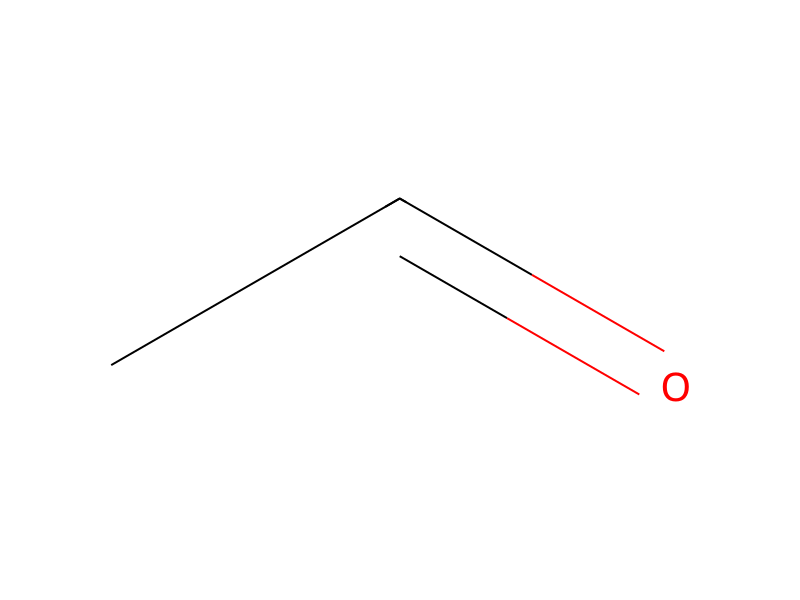
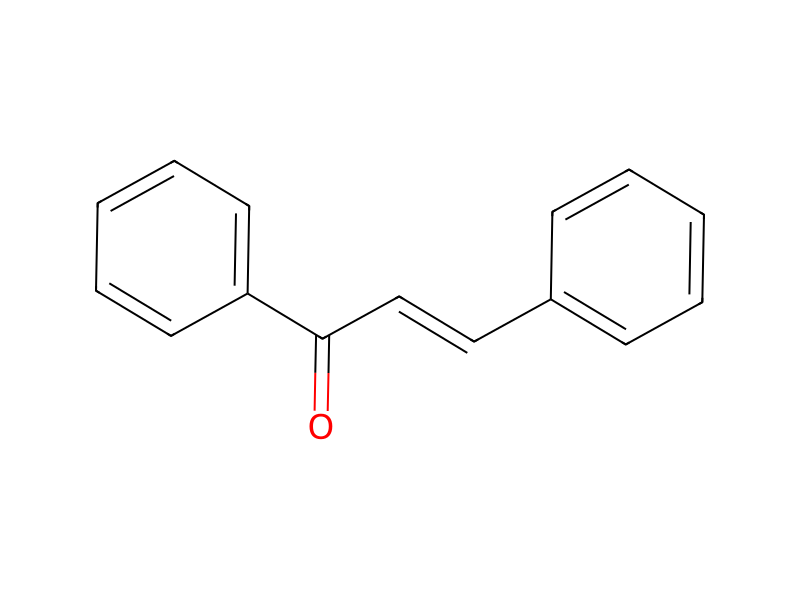
In a variation on this chalcone procedure, the lithium compound IV can be reacted with acetonitrile or with acetaldehyde followed by oxidation to give the corresponding 3-acetylpyridine. This acetylpyridine is then reacted with an appropriate substituted aldehyde in a Claisen-Schmidt condensation to give a chalcone as described earlier although it would be an isomeric ("reverse") chalcone. That is, reduction of the carbonyl group of the chalcone would give an alcohol of type III which would be similar to that obtained according to scheme I discussed earlier.
Sources & evidence
- ORD record
- ord-901510301b404ecfbe4f676961ca675c
- Source dataset
- uspto-grants-1986_05
- Patent number
- US04588733
Reaction notes
Loading…