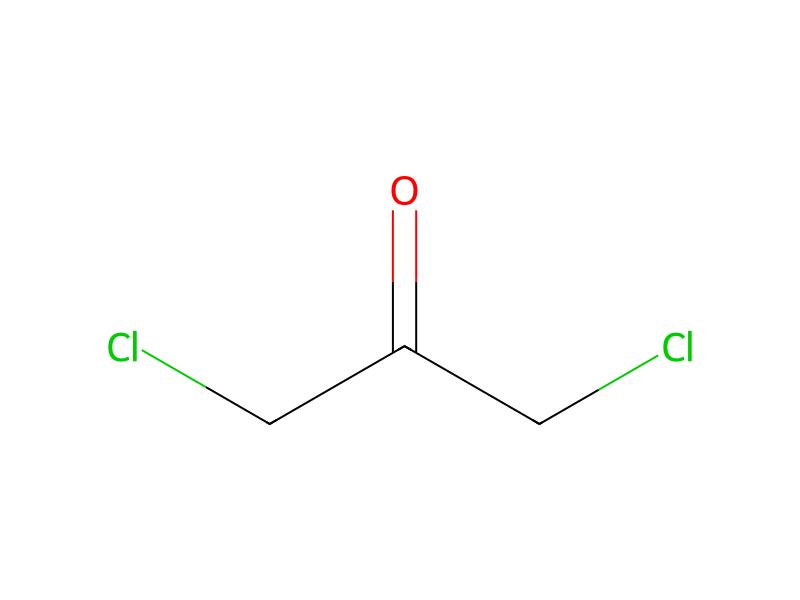
1,3-Dichloroacetone → 2-(4-Benzoylphenyl)-4-chloromethyloxazole
Reaction equation

[C:1]([C:9]1[CH:17]=[CH:16][C:12]([C:13]([NH2:15])=[O:14])=[CH:11][CH:10]=1)(=[O:8])[C:2]1[CH:7]=[CH:6][CH:5]=[CH:4][CH:3]=1.[Cl:18][CH2:19][C:20]([CH2:22]Cl)=O>>[C:1]([C:9]1[CH:10]=[CH:11][C:12]([C:13]2[O:14][CH:22]=[C:20]([CH2:19][Cl:18])[N:15]=2)=[CH:16][CH:17]=1)(=[O:8])[C:2]1[CH:3]=[CH:4][CH:5]=[CH:6][CH:7]=1Participants
3


Procedure
In substantially the same manner as in Reference Example 47, 4-benzoylbenzamide was allowed to react with 1,3-dichloroacetone to give 2-(4-benzoylphenyl)-4-chloromethyloxazole. The yield was 46%. Recrystallization from ethyl acetate-hexane gave colorless prisms, mp 138-139° C.
Sources & evidence
- ORD record
- ord-1564da7de0014035913c771521e05d69
- Source dataset
- uspto-grants-2001_04
- Patent number
- US06211215B1
Reaction notes
Loading…