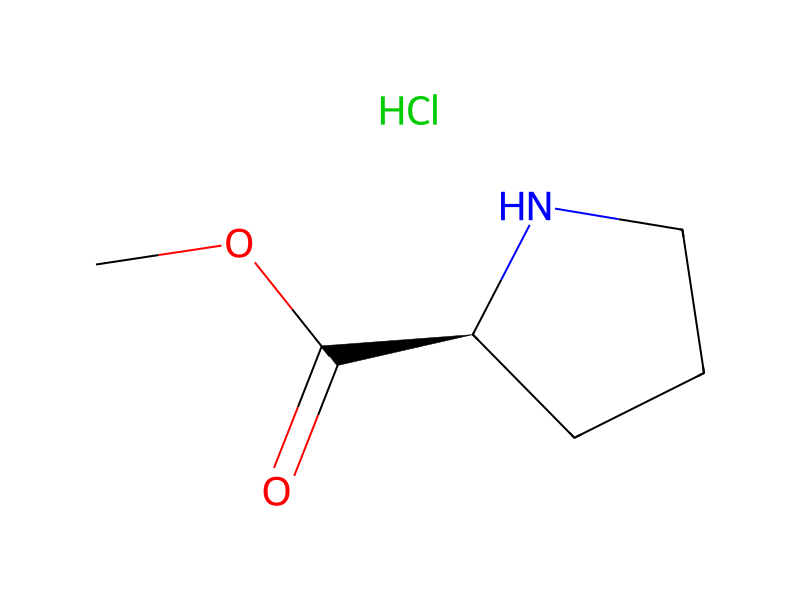
methyl L-prolinate hydrochloride → HCID 22895007, compound
Reaction equation

[F:1][C:2]1[CH:3]=[C:4]([CH2:9][C:10]([NH:12][C@H:13]([C:15]([OH:17])=O)[CH3:14])=[O:11])[CH:5]=[C:6]([F:8])[CH:7]=1.Cl.[CH3:19][O:20][C:21](=[O:27])[C@@H:22]1[CH2:26][CH2:25][CH2:24][NH:23]1>CO.C(Cl)Cl>[CH3:19][O:20][C:21](=[O:27])[C@@H:22]1[CH2:26][CH2:25][CH2:24][N:23]1[C:15](=[O:17])[C@H:13]([CH3:14])[NH:12][C:10](=[O:11])[CH2:9][C:4]1[CH:5]=[C:6]([F:8])[CH:7]=[C:2]([F:1])[CH:3]=1Participants
4
Reactant 2

Product 1

Reagents, catalysts & solvents 1
Procedure
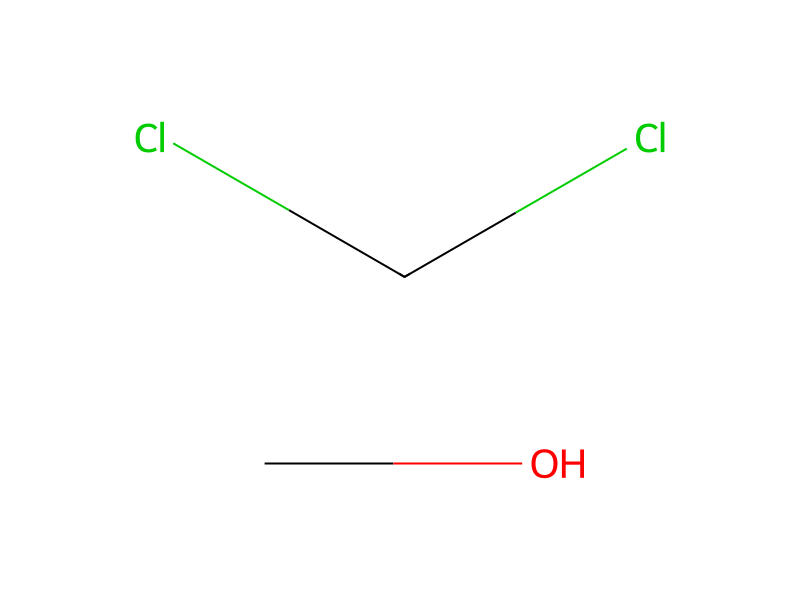
Following General Procedure A and using N-(3,5-difluorophenylacetyl)-L-alanine (from Example B2 above) and L-proline methyl ester hydrochloride (Bachem), the title compound was prepared as a viscous solid. The reaction was monitored by tlc (Rf=0.57 in 10% MeOH/DCM) and the product was purified by acid/base washes.
Workup
- customthe product was purified by acid/base washes
Sources & evidence
- ORD record
- ord-a64710c932d64e1ca0095e7a8f4b9e0a
- Source dataset
- uspto-grants-2001_04
- Patent number
- US06211235B1
Reaction notes
Loading…