Pyridine → 3,5-Dichloro-4-(3-(n-(4-chlorophenyl)carbamoyloxy)propyloxy)-1-(3,3-dichloro-2-propenyloxy)benzene
Reaction equation

[Cl:1][C:2]1[CH:3]=[C:4]([O:14][CH2:15][CH:16]=[C:17]([Cl:19])[Cl:18])[CH:5]=[C:6]([Cl:13])[C:7]=1[O:8][CH2:9][CH2:10][CH2:11][OH:12].[Cl:20][C:21]1[CH:26]=[CH:25][C:24]([N:27]=[C:28]=[O:29])=[CH:23][CH:22]=1.N1C=CC=CC=1>C1(C)C=CC=CC=1>[Cl:1][C:2]1[CH:3]=[C:4]([O:14][CH2:15][CH:16]=[C:17]([Cl:19])[Cl:18])[CH:5]=[C:6]([Cl:13])[C:7]=1[O:8][CH2:9][CH2:10][CH2:11][O:12][C:28](=[O:29])[NH:27][C:24]1[CH:25]=[CH:26][C:21]([Cl:20])=[CH:22][CH:23]=1Participants
5
Reactant 3

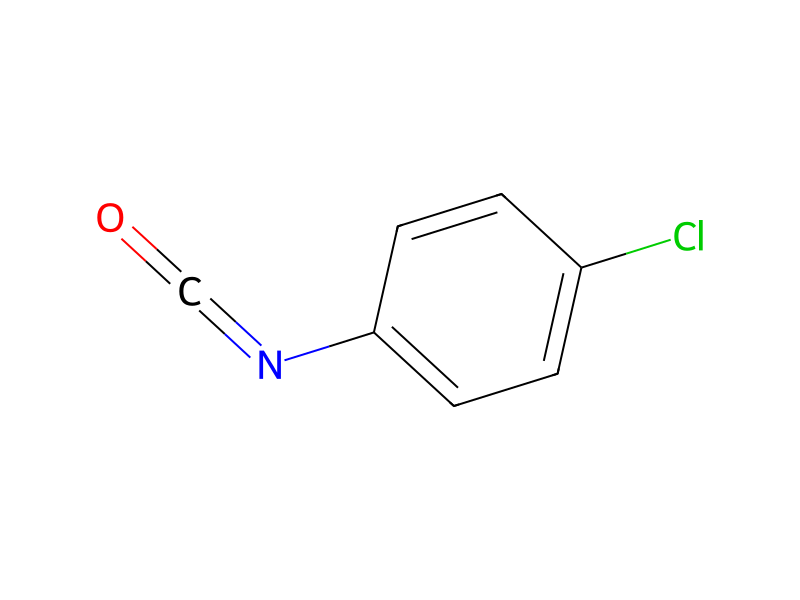

Product 1

Reagents, catalysts & solvents 1

Procedure
A solution of 0.17 g of 3,5-dichloro-4-(3-hydroxypropyloxy)-1-(3,3-dichloro-2-propenyloxy)benzene, 0.09 g of 4-chlorophenyl isocyanate and a catalytic amount of pyridine dissolved in 10 ml of toluene was heated at 60° to 70° C., while stirring, for 3 hours, and the reaction mixture was then concentrated to give a residue. The residue was subjected to silica gel chromatography, which afforded 0.19 g of 3,5-dichloro-4-(3-(N-(4-chlorophenyl)carbamoyloxy)propyloxy)-1-(3,3-dichloro-2-propenyloxy)benzene (77% yield), m.p., 54.3° C.
Workup
- temperaturewas heated at 60° to 70° C.
- concentrationthe reaction mixture was then concentrated
- customto give a residue
Sources & evidence
- ORD record
- ord-86264cdfaad14d1fa86a17ac76b590aa
- Source dataset
- uspto-grants-2001_04
- Patent number
- US06214835B1
Reaction notes
Loading…