4-tert-Butylcyclohexanone → 4-tert-butyl-1,1-difluorocyclohexane
Reaction equation

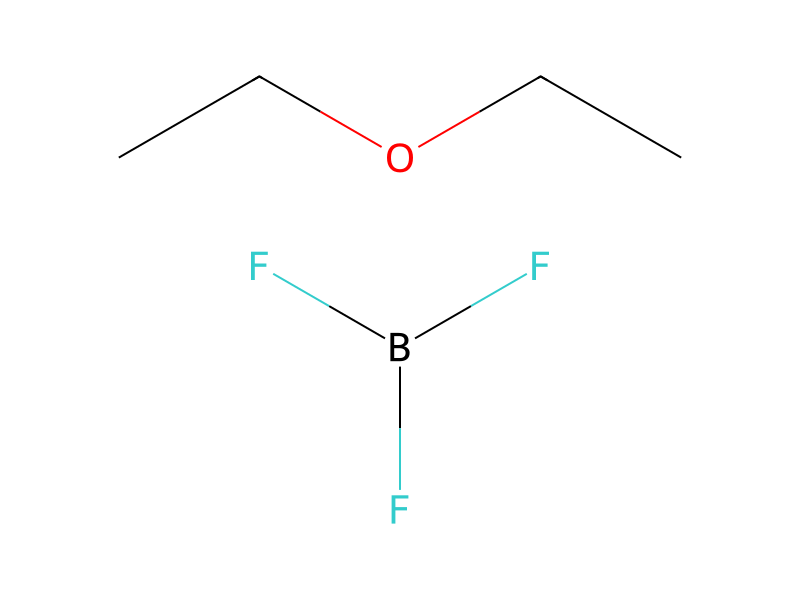
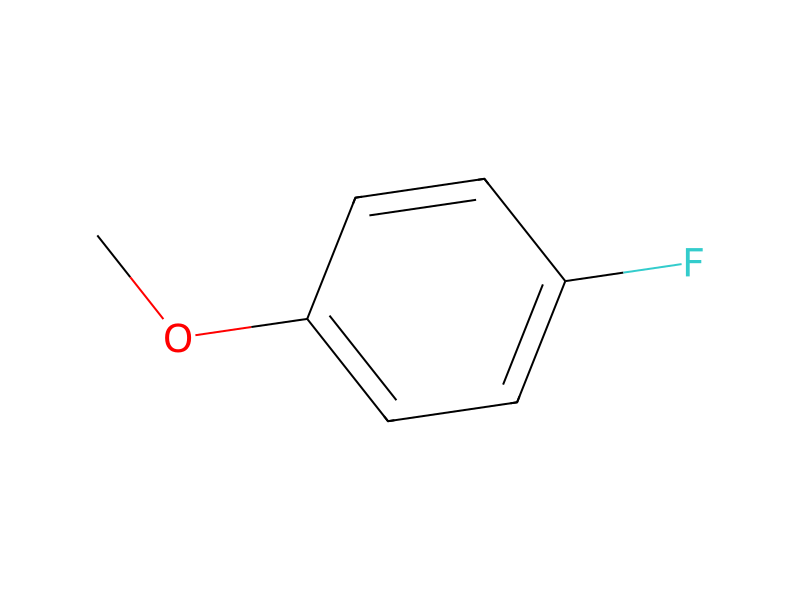
[C:1]([CH:5]1CCC(=O)CC1)(C)([CH3:3])[CH3:2].C(N(S(F)(F)[F:22])C1C=CC=CC=1)C.B(F)(F)F.CCOCC.[F:34][C:35]1[CH:40]=[CH:39][C:38](OC)=[CH:37][CH:36]=1>C(Cl)Cl>[F:34][C:35]1([F:22])[CH2:40][CH2:39][CH:38]([C:1]([CH3:5])([CH3:3])[CH3:2])[CH2:37][CH2:36]1Participants
6




Procedure
A solution of 4-t-butylcyclohexanone (308 mg, 2.0 mmol) in CH2Cl2 (10.0 mL) was added to N-ethyl-N-phenylaminosulfur trifluoride (627 mg, 3.0 mmol ) at room temperature under N2. BF3.OEt2 (100 mL) was added and the mixture was stirred for 6 h at room temperature. The mixture was washed with saturated NaHCO3, dried (Na2SO4), filtered and evaporated in vacuo. Proton and Fluorine NMR with 4-fluoroanisole (2 mmol) as internal standard showed that a 99% yield of 1,1-difluoro-4-t-butylcyclohexane was obtained.
Workup
- washThe mixture was washed with saturated NaHCO3
- dry with materialdried (Na2SO4)
- filtrationfiltered
- customevaporated in vacuo
Sources & evidence
- ORD record
- ord-edf018d1ba4442aaa2d395a1591c8bd7
- Source dataset
- uspto-grants-2001_04
- Patent number
- US06222064B1
Reaction notes
Loading…