Sodium Chloride → 4-(1-Pyrrolyl)-1-indanyl acetate
Reaction equation

[C:1]([O:4][CH:5]1[C:13]2[C:8](=[C:9]([NH2:14])[CH:10]=[CH:11][CH:12]=2)[CH2:7][CH2:6]1)(=[O:3])[CH3:2].CO[CH:17]1[CH2:21][CH2:20][CH:19](OC)O1.C(Cl)(Cl)Cl.[Cl-].[Na+]>C(O)(=O)C>[C:1]([O:4][CH:5]1[C:13]2[C:8](=[C:9]([N:14]3[CH:17]=[CH:21][CH:20]=[CH:19]3)[CH:10]=[CH:11][CH:12]=2)[CH2:7][CH2:6]1)(=[O:3])[CH3:2]Participants
Reactant 4


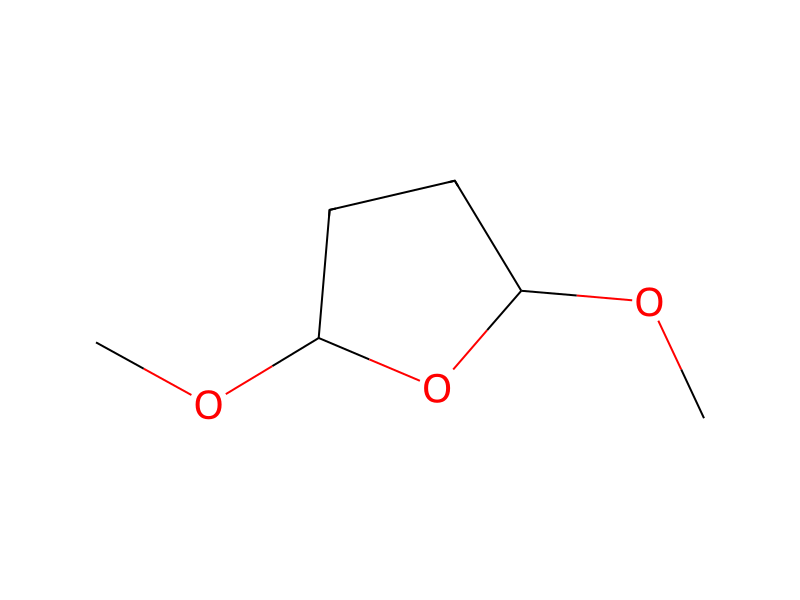

Product 1

Reagents, catalysts & solvents 1

Procedure
A stirred solution of 10.0 g (0.052 mole) of 4-amino-1-indanyl acetate (prepared as in Example 1, step F) and 7.5 g (0.056 mole) of 2,5-dimethoxytetrahydrofuran in 21.2 mL of acetic acid was heated under reflux for 3.5 hours. The reaction mixture was then allowed to cool to ambient temperature, and was stirred for 16 hours. The reaction mixture was poured into 200 mL of chloroform. An aqueous saturated solution of sodium chloride (200 mL) was added, and the mixture was stirred for 10 minutes. The aqueous layer was separated and washed with 50 mL of chloroform. The combined organic phases were washed with two portions of 50 mL each of an aqueous saturated solution of sodium chloride. The organic layer was dried over potassium carbonate, filtered, and the filtrate concentrated under reduced pressure to give 13.2 g of 4-(1-pyrrolyl)-1-indanyl acetate.
Workup
- temperatureunder reflux for 3.5 hours
- stirringthe mixture was stirred for 10 minutes
- customThe aqueous layer was separated
- washwashed with 50 mL of chloroform
- washThe combined organic phases were washed with two portions of 50 mL each of an aqueous saturated solution of sodium chloride
- dry with materialThe organic layer was dried over potassium carbonate
- filtrationfiltered
- concentrationthe filtrate concentrated under reduced pressure
Sources & evidence
- ORD record
- ord-21b30c0fd02748d1b2a7243a431ae7d7
- Source dataset
- uspto-grants-1984_04
- Patent number
- US04442296
Reaction notes
Loading…