Methyl 3-mercaptopropionate → HCID 20462179, compound
Reaction equation

BrCCCCCCCCCCCO.C([O-])CCCCC.[Na+].P(Br)(Br)Br.Br[CH2:27][CH2:28][CH2:29][CH2:30][CH2:31][CH2:32][CH2:33][CH2:34][CH2:35][CH2:36][CH2:37][O:38][CH2:39][CH2:40][CH2:41][CH2:42][CH2:43][CH3:44].[SH:45][CH2:46][CH2:47][C:48](OC)=[O:49].[H-].[Al+3].[Li+].[H-].[H-].[H-]>C[O-].[Na+].N1C=CC=CC=1>[CH2:39]([O:38][CH2:37][CH2:36][CH2:35][CH2:34][CH2:33][CH2:32][CH2:31][CH2:30][CH2:29][CH2:28][CH2:27][S:45][CH2:46][CH2:47][CH2:48][OH:49])[CH2:40][CH2:41][CH2:42][CH2:43][CH3:44]Participants
9
Reactant 6

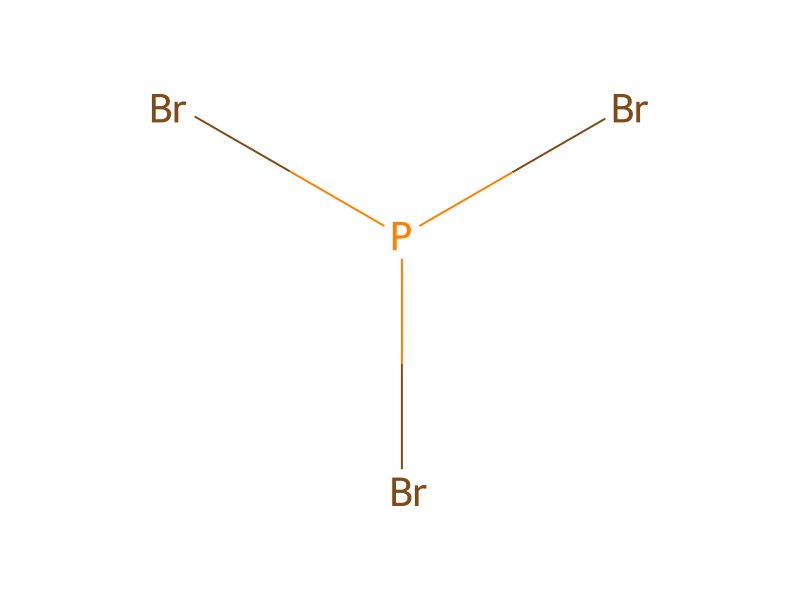




Product 1

Reagents, catalysts & solvents 2


Procedure
11-Bromoundecan-1-ol (m.p. 45°-48° C. ) is reacted with sodium hexanolate and the syrupy product obtained is reacted with phosphorus tribromide in the presence of pyridine. The structure of the oil obtained is confirmed by mass spectroscopy as being 11-bromoundecyloxyhexane. This bromo compound is reacted with methyl β-mercaptopropionate in sodium methylate solution and the oil obtained is then reduced with lithium aluminium hydride to give 3-(11-hexyloxyundecylthio)-propanol; m.p. 27°-29° C. Phosphorylation and choline ester formation in a manner analogous to that described in Example 20C gives the desired end product in a yield of 55% of theory in the form of a monohydrate which sinters at 98° C. and decomposes at 226°-229° C.
Workup
- customthe syrupy product obtained
- customThe structure of the oil obtained
- customthe oil obtained
Sources & evidence
- ORD record
- ord-14e774b6cda84077bd52635928c7a7db
- Source dataset
- uspto-grants-1984_04
- Patent number
- US04444766
Reaction notes
Loading…