Pyridine → 2-(Acetyloxy)-3,5-dichlorobenzenesulfonyl chloride
Reaction equation

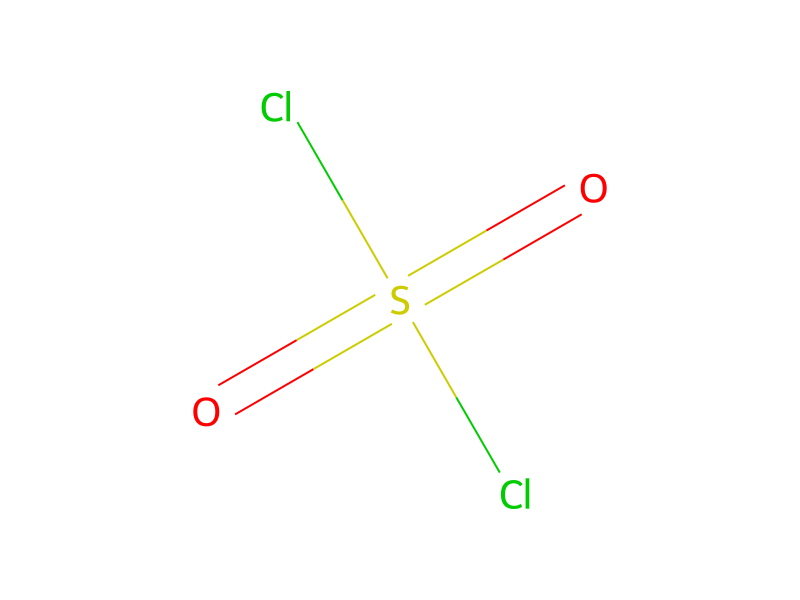
N1C=CC=CC=1.[Cl:7][C:8]1[C:9]([OH:19])=[C:10]([S:15]([Cl:18])(=[O:17])=[O:16])[CH:11]=[C:12]([Cl:14])[CH:13]=1.[C:20](Cl)(=[O:22])[CH3:21].S(Cl)(Cl)(=O)=O>C(Cl)Cl>[C:20]([O:19][C:9]1[C:8]([Cl:7])=[CH:13][C:12]([Cl:14])=[CH:11][C:10]=1[S:15]([Cl:18])(=[O:17])=[O:16])(=[O:22])[CH3:21]Participants
6





Procedure
A pyridine solution (1.1 g of pyridine in 10 ml of methylene chloride) was added dropwise over 30 minutes to a solution of 3.37 g of 3,5-dichloro-2-hydroxybenzenesulfonyl chloride, 25 ml of methylene chloride and 1.1 g of acetyl chloride. After two hours of stirring at room temperature the starting sulfonyl chloride was no longer present and one major product had formed. The reaction was concentrated and used immediately.
Workup
- customhad formed
- concentrationThe reaction was concentrated
Sources & evidence
- ORD record
- ord-49bad14d86af4428b7bf8cbc470e0027
- Source dataset
- uspto-grants-1993_12
- Patent number
- US05272128
Reaction notes
Loading…