Cesium carbonate → HCID 14479978, compound
Reaction equation

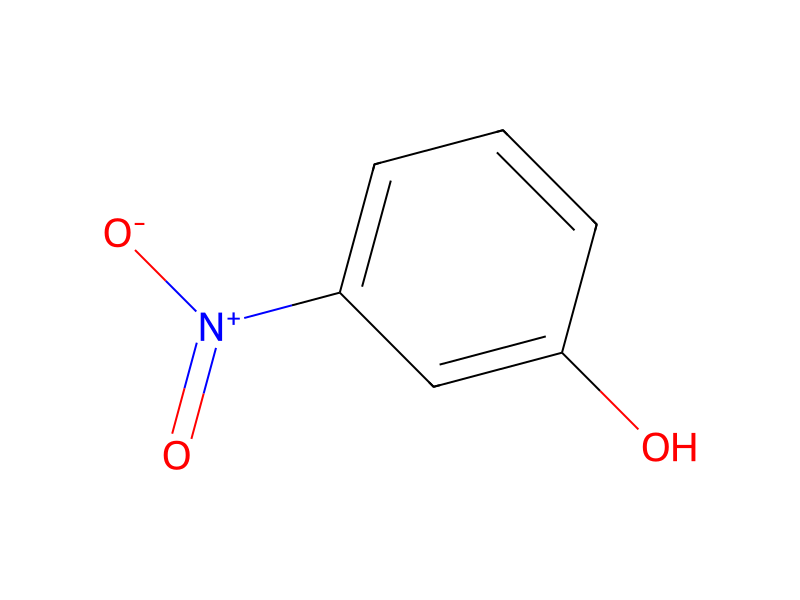
[N+:1]([C:4]1[CH:5]=[C:6]([OH:10])[CH:7]=[CH:8][CH:9]=1)([O-:3])=[O:2].[C:11]1([C:17]2[S:18][CH:19]=[C:20]([CH2:22]Cl)[N:21]=2)[CH:16]=[CH:15][CH:14]=[CH:13][CH:12]=1.C(=O)([O-])[O-].[Cs+].[Cs+]>CC(C)=O.[I-].[K+]>[N+:1]([C:4]1[CH:5]=[C:6]([CH:7]=[CH:8][CH:9]=1)[O:10][CH2:22][C:20]1[N:21]=[C:17]([C:11]2[CH:12]=[CH:13][CH:14]=[CH:15][CH:16]=2)[S:18][CH:19]=1)([O-:3])=[O:2]Participants
6
Reactant 3


Product 1

Reagents, catalysts & solvents 2


Procedure
To a solution of 6.5 g (0.046 mol) of 3-nitrophenol in 300 ml of acetone are added 11.6 g (0.047 mol) of 2-phenyl-4-chloromethylthiazole hydrochloride2, 15 g (0.046 mol) of cesium carbonate, and 0.5 g of potassium iodide and the slurry is heated to reflux for 20 hours. The hot mixture is filtered and the filtrate is concentrated in vacuo to obtain 11.7 g (82%) crystalline residue. A part is recrystallized from ethyl acetate/pentane to give crystals, m.p. 112°-114° C.
Workup
- temperaturethe slurry is heated
- temperatureto reflux for 20 hours
- filtrationThe hot mixture is filtered
- concentrationthe filtrate is concentrated in vacuo
Sources & evidence
- ORD record
- ord-1eadd1cd31be4510b8c8f8c8f2c3c37e
- Source dataset
- uspto-grants-1990_01
- Patent number
- US04895953
Reaction notes
Loading…