Cesium carbonate → 6-[(3-Nitrophenoxy)methyl]-2-phenylpyridine
Reaction equation

[N+:1]([C:4]1[CH:5]=[C:6]([OH:10])[CH:7]=[CH:8][CH:9]=1)([O-:3])=[O:2].Cl[CH2:12][C:13]1[CH:18]=[CH:17][CH:16]=[C:15]([C:19]2[CH:24]=[CH:23][CH:22]=[CH:21][CH:20]=2)[N:14]=1.C(=O)([O-])[O-].[Cs+].[Cs+]>CC(C)=O.[I-].[K+]>[N+:1]([C:4]1[CH:5]=[C:6]([CH:7]=[CH:8][CH:9]=1)[O:10][CH2:12][C:13]1[N:14]=[C:15]([C:19]2[CH:24]=[CH:23][CH:22]=[CH:21][CH:20]=2)[CH:16]=[CH:17][CH:18]=1)([O-:3])=[O:2]Participants
6

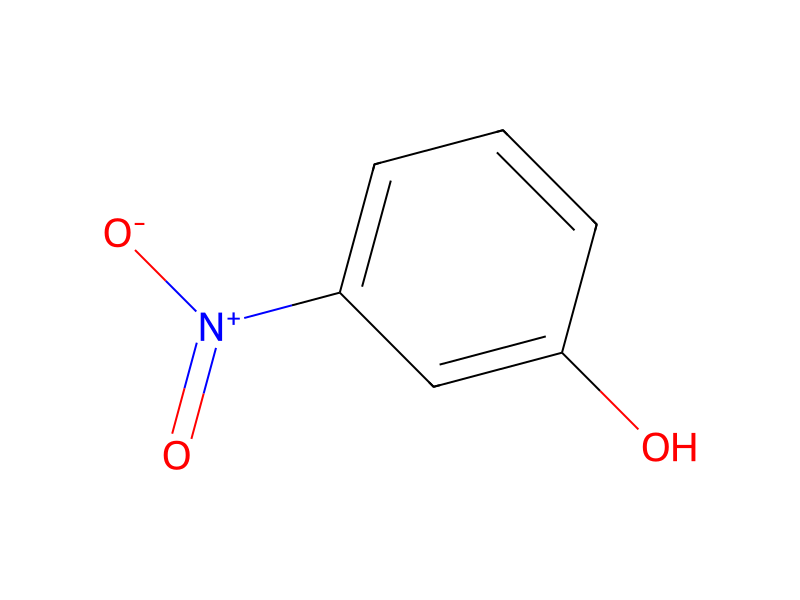




Procedure
To a stirred solution of 4.2 g (0.03 mol) of 3-nitrophenol in 150 ml of acetone is added 7.5 g (0.05 mol) of 2-chloromethyl-6-phenylpyridine hydrochloride3, 10 g (0.03 mol) of cesium carbonate and 0.5 g of potassium iodide, and the slurry is heated to reflux for 20 hours. The hot mixture is filtered, and the filtrate is concentrated in vacuo to obtain an oil (9.3 g). The crude product is recrystallized from ethyl acetate/pentane to give a first crop (4.5 g, 49%) of crystals, m.p. 77°-80° C. and a second crop (1.7 g, 19%) of crystals, m.p. 77°-81° C.
Workup
- temperaturethe slurry is heated
- temperatureto reflux for 20 hours
- filtrationThe hot mixture is filtered
- concentrationthe filtrate is concentrated in vacuo
Sources & evidence
- ORD record
- ord-19947b47a3194d938cd79691cad3977a
- Source dataset
- uspto-grants-1990_01
- Patent number
- US04895953
Reaction notes
Loading…