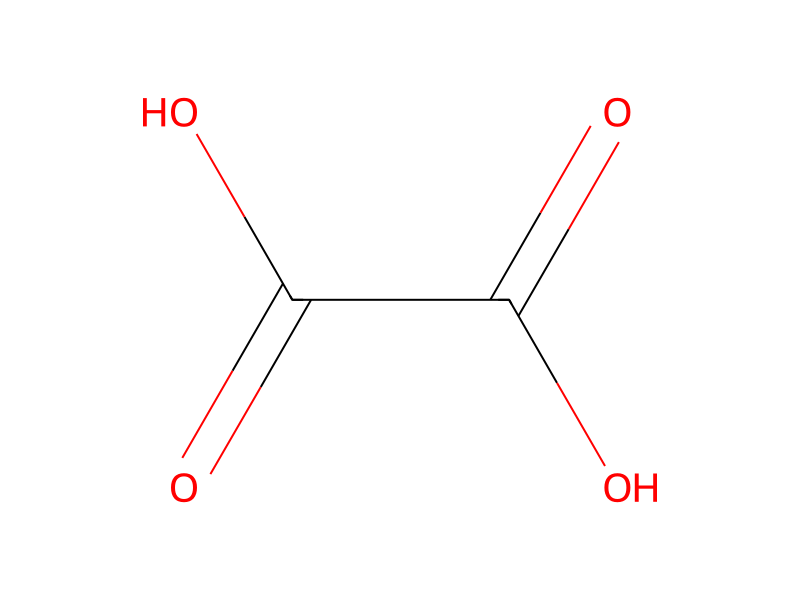
Oxalic Acid → HCID 19869425, compound
Reaction equation

Br[CH2:2][CH2:3][CH2:4][C:5]1[CH:10]=[CH:9][CH:8]=[CH:7][CH:6]=1.[CH2:11]([N:13]([CH2:17][CH3:18])[CH2:14][CH2:15][NH2:16])[CH3:12].C(=O)([O-])[O-:20].[Na+].[Na+].[C:25]([OH:30])(=[O:29])[C:26]([OH:28])=[O:27]>C(#N)C.CO>[OH2:20].[C:25]([OH:30])(=[O:29])[C:26]([OH:28])=[O:27].[CH2:11]([N:13]([CH2:17][CH3:18])[CH2:14][CH2:15][NH:16][CH2:2][CH2:3][CH2:4][C:5]1[CH:10]=[CH:9][CH:8]=[CH:7][CH:6]=1)[CH3:12]Participants
7





Procedure
A mixture of 71.5 g (0.359 mole) of 3-bromo-1-phenylpropane, 82.0 g (0.707 mole) of N,N-diethylethylenediamine and excess sodium carbonate in 1 liter of acetonitrile was refluxed for 16 hr. The solvent was removed in vacuo, and the residue was partitioned between methylene chloride and diluted sodium hydroxide solution. The methylene chloride solution was dried over sodium sulfate, and the solvent was removed in vacuo to give an oil. This was dissolved in 1.5 liters of methanol, and a solution of 67.5 g (0.75 mole of oxalic acid in methanol was added. A white solid precipitated at room temperature to give 108.88 g (71.6%) of title compound, a white crystalline solid, mp 209°-211° C. with decomposition.
Workup
- temperaturewas refluxed for 16 hr
- customThe solvent was removed in vacuo
- customthe residue was partitioned between methylene chloride and diluted sodium hydroxide solution
- dry with materialThe methylene chloride solution was dried over sodium sulfate
- customthe solvent was removed in vacuo
- customto give an oil
- customA white solid precipitated at room temperature
Sources & evidence
- ORD record
- ord-b12314437a834c6dbc027e5452102075
- Source dataset
- uspto-grants-1990_01
- Patent number
- US04895840
Reaction notes
Loading…